
Commercial real estate transactions rarely go exactly as planned. Some properties require more inspections, more negotiation, and more creative problem-solving than anyone initially expects.
I recently had the opportunity to help a growing truck and diesel repair company purchase an industrial property located at 3665 Coral Ridge Road in Brooks, Kentucky. The transaction took several months longer than anticipated and required us to work through significant environmental concerns, additional testing, lender requirements, and the Kentucky Brownfields Program.
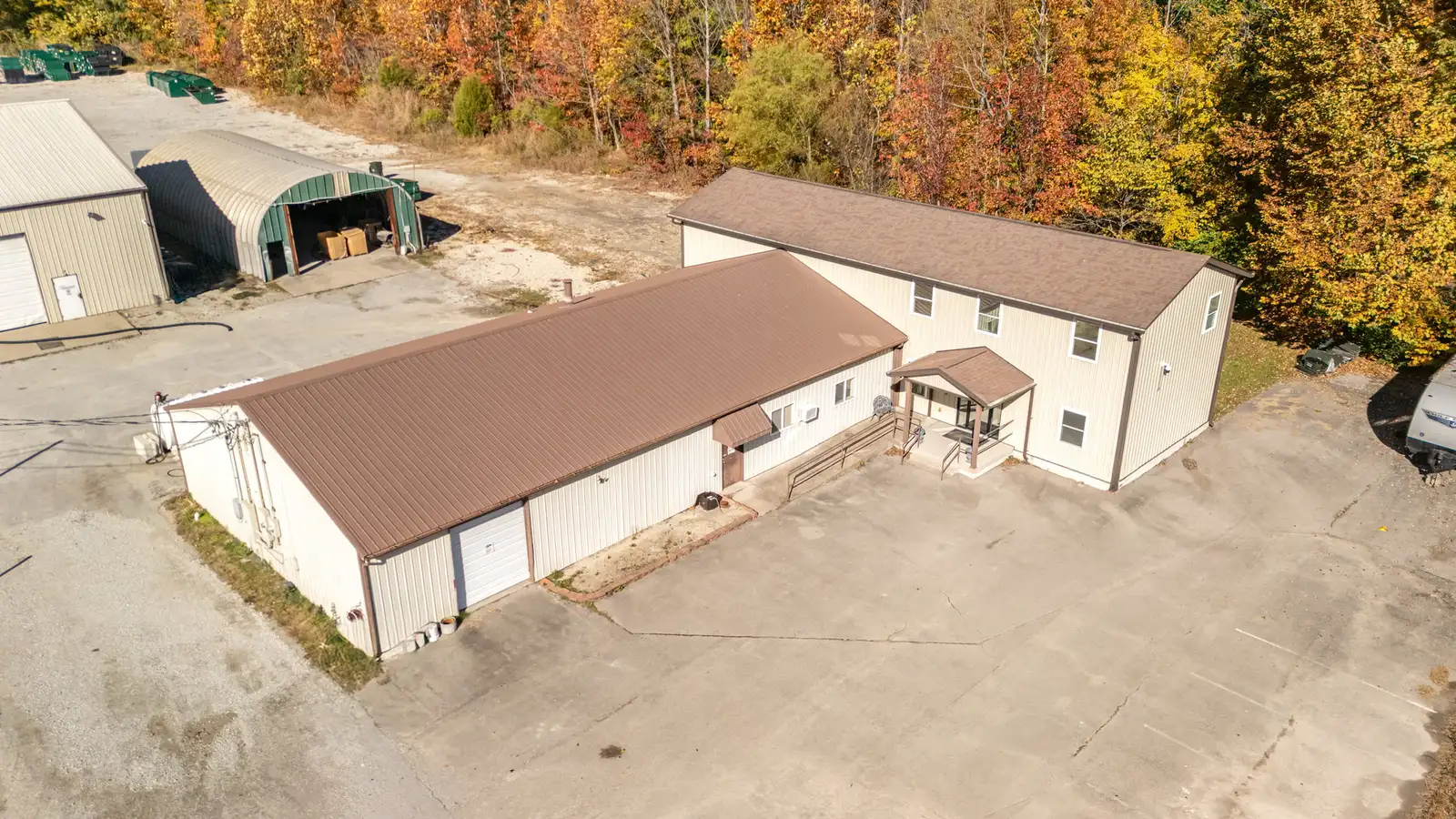
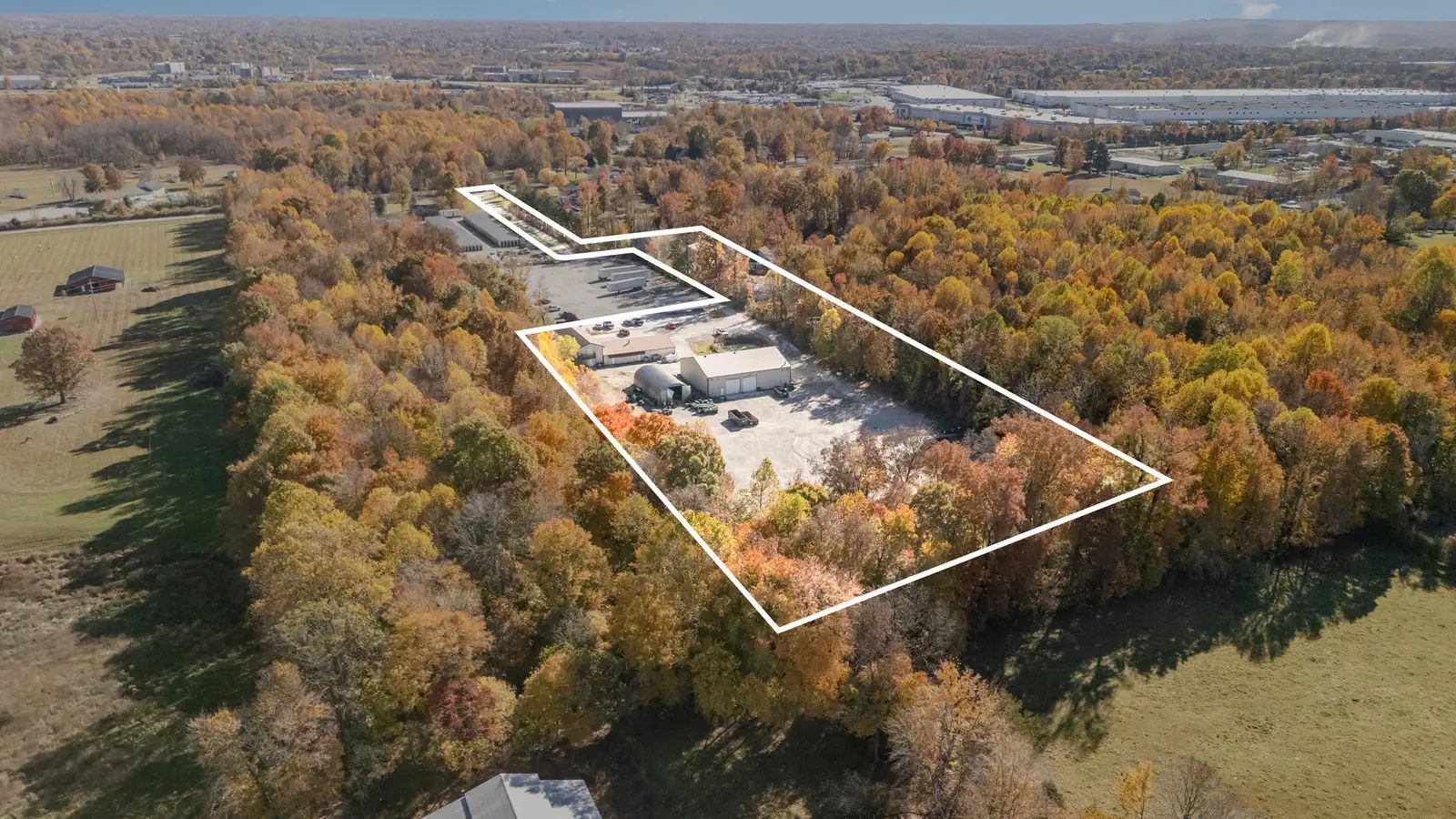
Despite the challenges, we stayed focused on the client’s long-term objective and successfully made it to the closing table. The result is a major milestone for the company: a 5.7-acre industrial property with four buildings totaling approximately 11,000 square feet, substantial outdoor storage capacity, and convenient access to Interstate 65.
From Leasing Multiple Shops to Owning Commercial Real Estate
My client operates a successful truck and diesel repair company that has experienced rapid growth over the past several years.
As the business expanded, the company had been leasing two separate repair shops to accommodate its operations. While the leased spaces helped support its early growth, operating from multiple locations created logistical challenges and did not allow the business to build equity through real estate ownership.
Like many growing business owners, my client eventually reached a point where continuing to rent no longer aligned with the company’s long-term plans.
They wanted to purchase an industrial property that would allow them to:
- Consolidate and expand their repair operations
- Store trucks, trailers, equipment, and materials
- Create additional income through truck parking
- Control their occupancy costs
- Build equity in an asset they could own for years
The goal was not simply to find a larger diesel repair shop for sale. We needed to identify a property with the right combination of buildings, yard space, access, zoning, and long-term flexibility.
Finding the Right Industrial Property Near I-65
After searching for several months, we identified the property at 3665 Coral Ridge Road.
The site offered a rare combination of features for an owner-user industrial buyer. It included approximately 5.7 acres, multiple office and shop buildings, several work bays, additional storage, and a large rear yard capable of accommodating commercial vehicles and heavy equipment.
The property was also located approximately one mile from I-65, providing convenient regional access between Louisville and Elizabethtown.
From an operational standpoint, the property was an excellent fit for a truck and diesel repair company. It provided the infrastructure to consolidate the business while offering room for future expansion and additional revenue opportunities.
There was only one problem: the property was already under contract with another buyer.
Instead of moving on completely, I continued following up with the listing side over the next several weeks. Commercial real estate transactions fall apart for many reasons, including financing, inspections, environmental conditions, zoning, or changes in a buyer’s plans. Staying in communication can position a backup buyer to move quickly when circumstances change.
Eventually, the original transaction fell apart.
Because we had remained engaged, we were able to act quickly and place the property under contract for my client.
A Financially Strong Buyer Facing an Unexpected Challenge
My client operated a strong business and received financial approval for the acquisition relatively early in the process.
However, financial approval is only one component of purchasing commercial real estate. Industrial properties often require extensive due diligence to evaluate the building systems, zoning, title, access, utilities, and environmental history.
As part of our due diligence, we needed to determine whether previous activities at the site had created environmental contamination.
The previous buyer had already completed Phase I and Phase II environmental investigations. Rather than starting the process from the beginning, my client purchased those reports and reviewed the findings with the environmental team.
The reports identified elevated levels of arsenic on the property.
That discovery immediately created additional questions for the buyer and lender.
Investigating the Elevated Arsenic Levels
Arsenic can occur naturally in certain geological formations, including shale bedrock found in parts of the region. Because of that possibility, the initial findings did not automatically prove that a spill or improper activity had occurred on the property.
More testing was needed.
My client authorized additional environmental investigation to better understand the source, location, and extent of the elevated concentrations. The objective was to determine whether the arsenic was naturally occurring or connected to a previous use of the site.
The additional testing indicated that the elevated levels were likely associated with prior operations on the property rather than solely with naturally occurring conditions.
At that point, the transaction could not move forward as originally structured. We needed to pivot and identify a responsible path that would address the environmental condition, satisfy the lender, protect the buyer, and allow the company to complete the acquisition.
Entering the Kentucky Brownfields Program
Rather than abandoning an otherwise highly functional property, the buyer pursued participation in the Kentucky Brownfields Program.
Brownfield programs are designed to help return properties with known or suspected environmental conditions to productive use. For eligible buyers, the program can provide a framework for managing environmental concerns while offering liability protection related to contamination that existed before the acquisition.
Participation was not automatic.
My client worked with qualified environmental professionals to develop an encapsulation strategy for the affected areas. The team also prepared a property management plan outlining how the site would be maintained and how the environmental condition would be managed following closing.
The required plans and supporting documentation were submitted to the state for review.
After working through the process, the buyer was accepted into the program and received a viable path to move forward with the acquisition.
This was a critical turning point in the transaction. What initially appeared to be a potentially deal-ending environmental issue became a manageable condition with the right testing, professional guidance, and post-closing plan.
Successfully Closing on the Brooks, Kentucky Industrial Property
After months of investigation, coordination, documentation, and problem-solving, we successfully closed on the property.
My client now owns an industrial facility that can support the company’s continued expansion. The property provides multiple buildings for administrative and repair operations, dedicated work bays, equipment storage, and substantial land for trucks and other commercial vehicles.
The rear portion of the property also creates the potential to lease truck parking spaces, providing an additional income stream alongside the company’s primary operations.
Most importantly, the business is no longer limited to leasing two separate shop locations. The company can invest in its own facility, make improvements that support its operations, and build long-term equity through commercial real estate ownership.
Lessons From This Industrial Real Estate Transaction
This deal reinforces several important lessons for business owners considering an industrial property purchase.
First, persistence matters. The property was originally under contract with another group, but consistent follow-up placed us in a position to act when the first transaction fell apart.
Second, environmental due diligence cannot be treated as a formality. Phase I and Phase II environmental assessments can uncover conditions that affect financing, liability, property value, and future use.
Third, an environmental issue does not always mean a property is unusable. With proper investigation and a qualified environmental team, buyers may be able to develop a responsible management strategy and pursue available brownfield protections.
Finally, complex commercial real estate transactions require experienced coordination. Brokers, lenders, attorneys, environmental consultants, engineers, state officials, and other professionals may all play a role in getting a challenging acquisition across the finish line.
Final Thoughts
This transaction took far longer than expected, but the final outcome made the additional effort worthwhile.
My client now has a facility where they can continue growing their truck and diesel repair company, generate potential income from truck parking, and build equity in an industrial asset they can own for many years.
Huge congratulations to my clients for remaining patient, responsive, and committed throughout a challenging process.
Obstacles are inevitable in commercial real estate. The key is identifying the risk early, assembling the right team, and continuing to pursue solutions when the fundamentals of the opportunity remain strong.
If you are searching for an industrial property for sale in Brooks, Kentucky, a truck repair facility near Louisville, or an owner-user commercial building in Bullitt County, I would be happy to help you evaluate your options and navigate the acquisition process.
Call or text: 502-536-7315
Email: raphael@sumcg.com