
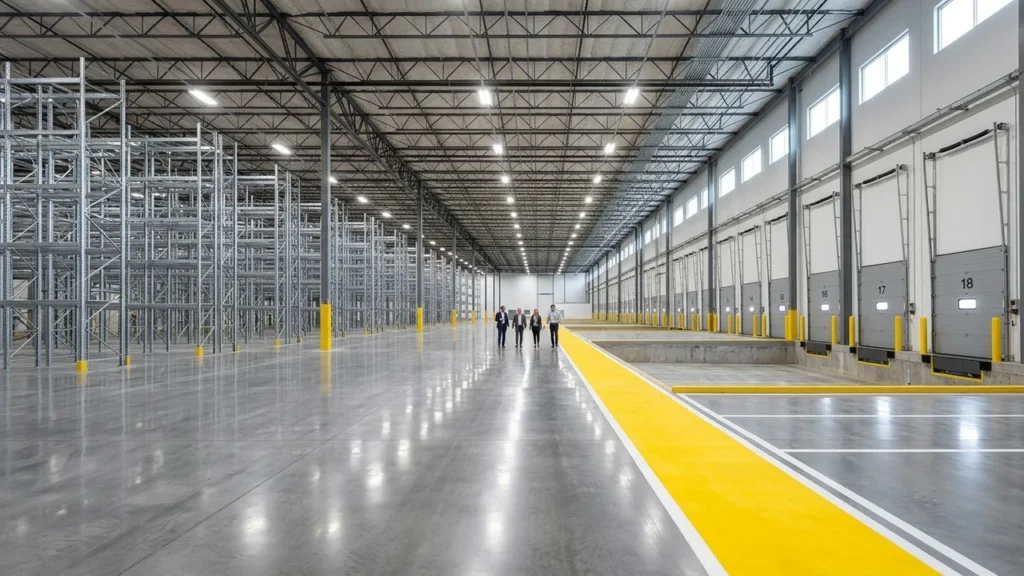
A buyer walks into your warehouse. In the first 30 seconds, their mind is half made up already. Dusty floors, a dark back corner, a brown water stain on the ceiling, and they quietly start cutting your price in their head. Bright lights, clean docks, and neat paperwork, and they start picturing their own trucks backing in. That one tour moves the deal more than any brochure.
Why the buyer tour decides your sale price
A buyer tour is the moment a curious shopper turns into a real buyer. They stop reading and start feeling. They walk your floor, look up at the ceiling, and test how the space “lives.” Most serious buyers I work with visit a building 2 to 3 times before they write an offer, and the first visit sets the tone for all the rest.
Here is the plain truth. A messy building tells a buyer you did not care, so they wonder what else you ignored. That fear shows up as a lower price. In my own deals, a clean, well prepped industrial property can pull offers 5% to 10% higher than the same building shown in rough shape.
This guide is for owners and sellers of warehouses, distribution centers, manufacturing facilities, and flex space. The goal is simple. You want buyers to trust the building fast, feel safe walking it, and see themselves running their business there. Do that, and you sell faster and closer to your asking price.
What commercial buyers really look at during a tour
I have walked hundreds of industrial buildings with buyers, and I can tell you their eyes go to the same spots every single time. They are not looking at your paint color. They are looking at the bones. A buyer of a 50,000 square foot warehouse cares about how much product they can stack, how many trucks they can load at once, and whether the roof will leak next winter.
The big items are almost always the same. Clear height (how tall the ceiling is inside, from floor to the lowest beam) tells them how high they can stack racks. Dock doors and truck access tell them how fast they can move freight. Floor strength, power, and the roof tell them what it costs to run the place. Get these right in the buyer’s eyes and the rest is detail.
Here is what most commercial buyers check first, and why each one matters to them:
| What buyers check | Why it matters to them | What to have ready |
|---|---|---|
| Clear height (24 to 36 feet is common) | More stack height means more storage and value | Exact height under the lowest beam |
| Dock doors and levelers | Faster loading, more trucks per day | Count, sizes, and working levelers |
| Floor load capacity | Heavy racks and machines need strong floors | Slab thickness and load rating |
| Three-phase power (strong electricity for big machines) | Runs heavy equipment without upgrades | Amp service size and panel photos |
| Roof age and condition | A new roof can cost $5 to $12 per square foot | Roof age, warranty, repair records |
| Column spacing (space between support posts) | Wider bays fit more racking and forklifts | A simple floor plan with spacing |
Walk your own building like a buyer before they do. Stand at the front door and be honest about what you see. If a spot makes you cringe, it will make them cringe too, and they will use it to push your price down.
Get your paperwork ready before anyone shows up
Buyers judge the building with their eyes, but they judge you with your paperwork. Sloppy files scare off serious money. When I list a property, I gather every document first, because a buyer who asks for a rent roll and waits two weeks starts to lose trust. Slow answers feel like hidden problems.
Have a clean folder ready, digital and printed. Put in the rent roll (a list of tenants, rents, and lease end dates), recent NOI (the yearly profit the building makes after expenses), tax bills, and utility costs. Add the survey, the floor plan, roof and HVAC service records, and any warranties. Buyers who get full files can move to an offer in days, not weeks.
If your building has tenants, their leases matter as much as the walls. Buyers want to know who pays, how much, and for how long. A single messy lease can stall a whole deal. Our guide on how to evaluate tenant leases before buying a property shows the exact terms buyers dig into, and it helps you spot weak points before they do.
Zoning is the other silent deal killer. A buyer needs to know they can legally run their business in your building. If your property sits in Jefferson County, our page on Jefferson County zoning for commercial property helps you confirm the zoning and permitted uses before tours start. Sort this early. A zoning surprise on tour day can end talks on the spot.
Clean and clear the entire space first
In my experience, cleaning is the single highest payoff task before a tour, and it costs almost nothing. I once had a 40,000 square foot warehouse that sat unsold for months. We spent one weekend and about $1,200 on a deep clean and floor scrub, and it went under contract 11 days later. Same building. New feeling.
Start with the floor, because buyers stare at it. Sweep and scrub the whole slab. A clean, sealed epoxy floor (a shiny, tough floor coating) makes a space look newer and better kept. Clear every aisle so a forklift path is easy to see. Empty, open floor space helps a buyer picture their own racks and machines going in.
Get rid of clutter you do not need. Old pallets, broken shelving, dead equipment, and junk piles all make a building feel small and tired. Haul it out. A tidy space feels 20% to 30% bigger to the eye, even though not one wall has moved.
Do not forget smells and light. A musty warehouse feels neglected. Open doors, run fans, and fix any standing water. Wipe down the office area, clean the bathrooms, and empty the trash. These small touches tell a buyer the building was loved, and loved buildings sell for more.
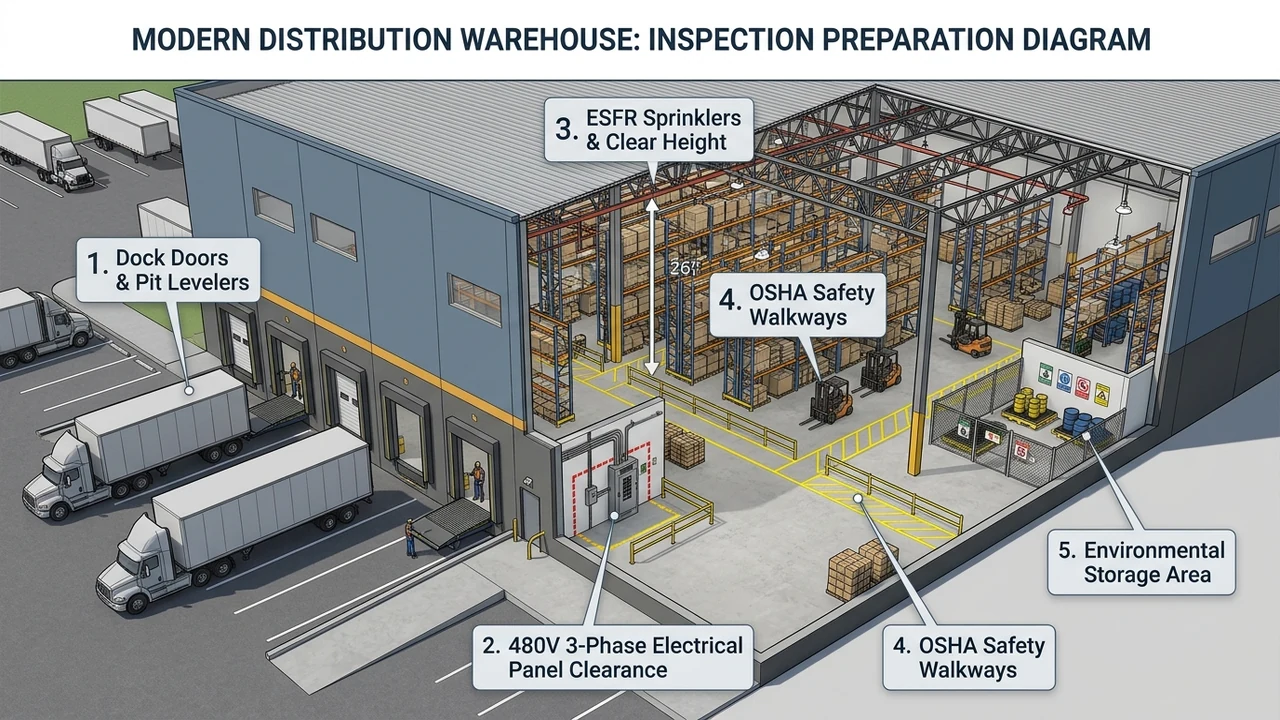
Fix the small stuff buyers always notice
Small broken things do big damage to a buyer’s trust. One dead light, one dripping pipe, one torn dock seal, and the buyer starts adding up repairs. They rarely add small numbers. In my deals, buyers tend to overguess simple fixes by 2 to 3 times the real cost, so a $200 fix can scare $1,000 off your price.
Walk the building with a notepad and a helper. Replace burned out bulbs. Fix leaky faucets and running toilets. Reseal or replace torn dock bumpers and door seals. Touch up peeling paint near the entrance and office. These are cheap, and they remove the “worn out” story a buyer tells themselves.
Here is how small fixes stack up against the price hit they prevent:
| Quick fix | Rough cost | Why it pays off |
|---|---|---|
| Replace dead lights | $10 to $40 each | A bright space feels safe and cared for |
| Fix leaks and stains | $100 to $500 | Removes fear of roof or plumbing problems |
| Repair dock seals | $150 to $600 per door | Signals docks are ready to work day one |
| Restripe parking and floor lines | $400 to $2,000 | Looks organized and move in ready |
| Patch and paint entrance | $300 to $1,500 | Strong first impression at the front door |
Do not try to hide problems. Buyers bring inspectors, and hidden issues come out anyway. When they find something you covered up, they stop trusting everything else. It is far smarter to fix what you can and be upfront about the rest.
Loading docks, doors, and the truck court
I have handled cases where the whole deal turned on the docks, not the building. One buyer walked past a great distribution center because the truck court (the paved area where trucks turn and back in) was too tight for a 53-foot trailer. The building was perfect. The turning space was not. He walked, and the seller never knew why.
Docks are the heart of an industrial building. Count them and make sure each one works. Test the dock levelers (the metal ramps that bridge the truck and the floor). Check the door springs, chains, and seals. A dock that jams during a tour plants doubt fast. Buyers want to see 4 to 6 dock doors working smoothly on a mid size warehouse.
Measure your truck court depth and share the number. Most modern trucks need about 120 to 135 feet of court depth to turn and back in cleanly. If your court is shorter, be honest and show how trucks use it today. Buyers respect straight facts far more than surprises.
Grade level doors matter too. These are the big drive in doors at ground level, used for forklifts and vans. Make sure they open, close, and lock. Sweep the dock pit and clear any trash or water. Clean, working docks tell a buyer the building is ready to earn money on day one, and that feeling is worth real dollars.
Lighting, power, and building systems that seal the deal
Light changes everything. A dim warehouse feels old and unsafe. A bright one feels modern and worth more. Swapping old fixtures for LED lighting can cut lighting energy use sharply and makes the whole floor pop during a tour. The U.S. EPA’s ENERGY STAR program reports that facility teams who hunt for simple energy fixes often cut building energy use by 15% or more (ENERGY STAR, save energy in commercial buildings).
Buyers of industrial space care a lot about power. Show them your three-phase power (strong electricity that runs heavy machines) and the amp service size. Take clear photos of the electrical panels. A buyer running machines needs to know they will not pay for a big upgrade right after closing, which can run $10,000 to $50,000 or more.
Check your HVAC and heating in the office and any climate controlled areas. Run the units before the tour so the space feels comfortable. If the building has a fire suppression system, know its type. An ESFR sprinkler (a strong, high volume fire sprinkler for tall storage) is a big plus for buyers who stack product high, and many will ask about it right away.
Make a short one page sheet of building systems. List the roof age, HVAC age, power service, sprinkler type, and water and sewer setup. Buyers love this. It saves them time and shows you know your building. If you are preparing to sell soon and want help pricing these upgrades against the market, our team can walk the building with you and point out what is worth fixing first.
Safety and compliance can make or break the deal
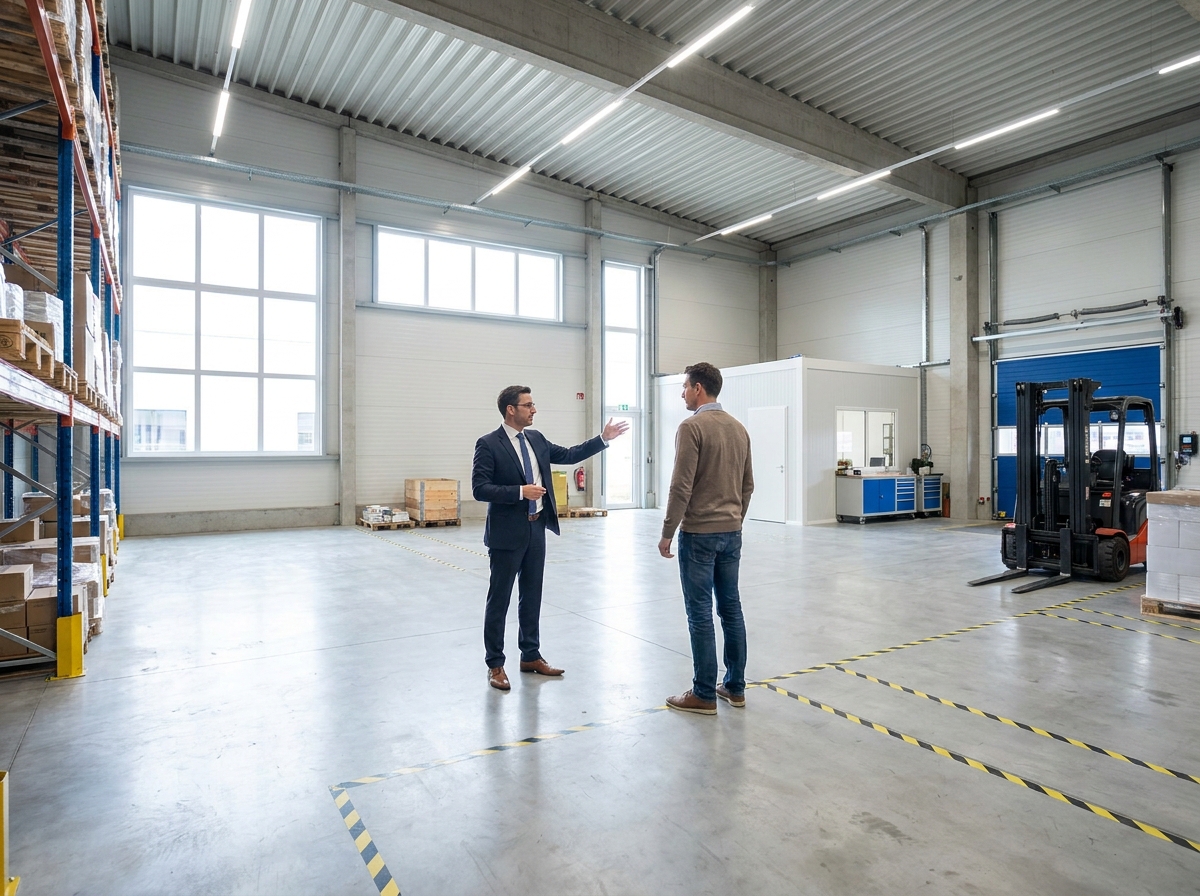
I have seen strong deals fall apart at the finish line over safety and compliance, and it stings every time. A buyer’s lender or lawyer flags one issue, and everyone freezes. The fix is to get ahead of it. Handle the big three early: accessibility, environmental checks, and fire code.
Start with accessibility. Warehouses and factories still have rules to follow. The U.S. Department of Justice notes that commercial facilities like office buildings, factories, and warehouses must meet ADA standards for new construction and alterations, and that more than 50 million Americans, about 18% of the population, have disabilities (ADA.gov, ADA primer for small business). Check your parking, ramps, doors, and restrooms before tours.
Environmental history is huge for industrial buildings, since past uses can leave pollution in the ground. Most lenders will want a Phase I environmental assessment (a check of the site’s history and possible contamination). The U.S. EPA requires that this kind of “all appropriate inquiries” review be done or updated within one year before a property is bought, following the ASTM E1527 standard (EPA, all appropriate inquiries). Knowing your building’s history early stops nasty surprises.
Get your own records in order so a buyer’s review goes smoothly. Our guide on the Phase I environmental assessment for commercial property explains what the check covers and how to prepare for it. Buyers will also run a physical inspection, so it helps to know what they look for. Our commercial property inspection checklist lists the items inspectors flag most, from roof to slab to wiring.
Curb appeal for an industrial building
People think curb appeal is only for houses. Not true. The outside of your building is the first thing a buyer sees, often before they even park. A cracked sign, weeds in the lot, and faded paint set a low bar in the first 10 seconds. Fix the front and you lift the whole first impression.
Start at the street. Mow the grass, pull the weeds, and clean up trash along the fence line. Fix or repaint your main sign so the address and name are easy to read. Pressure wash the front wall and entrance doors. These small jobs cost little and change how “cared for” the building feels.
The parking lot matters more than sellers think. Fill potholes, sweep the lot, and restripe the lines. Clean, bright striping makes a lot look years newer. Make sure the fire lanes and any accessible spots are clearly marked, since buyers and their lenders will check.
Do not forget the loading side and the fence. Straighten leaning fence posts, oil squeaky gates, and clear brush away from dock doors. A tidy exterior tells a buyer the roof, the docks, and the machines inside were probably cared for too. First impressions outside carry straight through the whole tour.
Showing an occupied or leased building
I have learned the hard way that tenants can quietly sink a tour if you do not prep them right. Years back, I brought a strong buyer to a leased warehouse, and an upset tenant vented for ten minutes about a broken heater. The buyer got spooked and walked. Handle tenants with care, and give them notice every time.
Give tenants proper written notice before any tour, and check your lease for the exact rule. Most leases ask for 24 to 48 hours notice to enter. Pick tour times that do not clog their busiest hours. A happy, calm tenant on tour day is one of your best selling tools, because buyers see a working, income earning building.
Keep the money story clean and clear. Have the rent roll, current leases, and payment history ready. Buyers of leased buildings are buying the income, so they study CAM charges (shared costs like lot upkeep) and lease end dates closely. If you manage the building yourself, our page on property management for commercial buildings shows how solid records make a leased property far easier to sell.
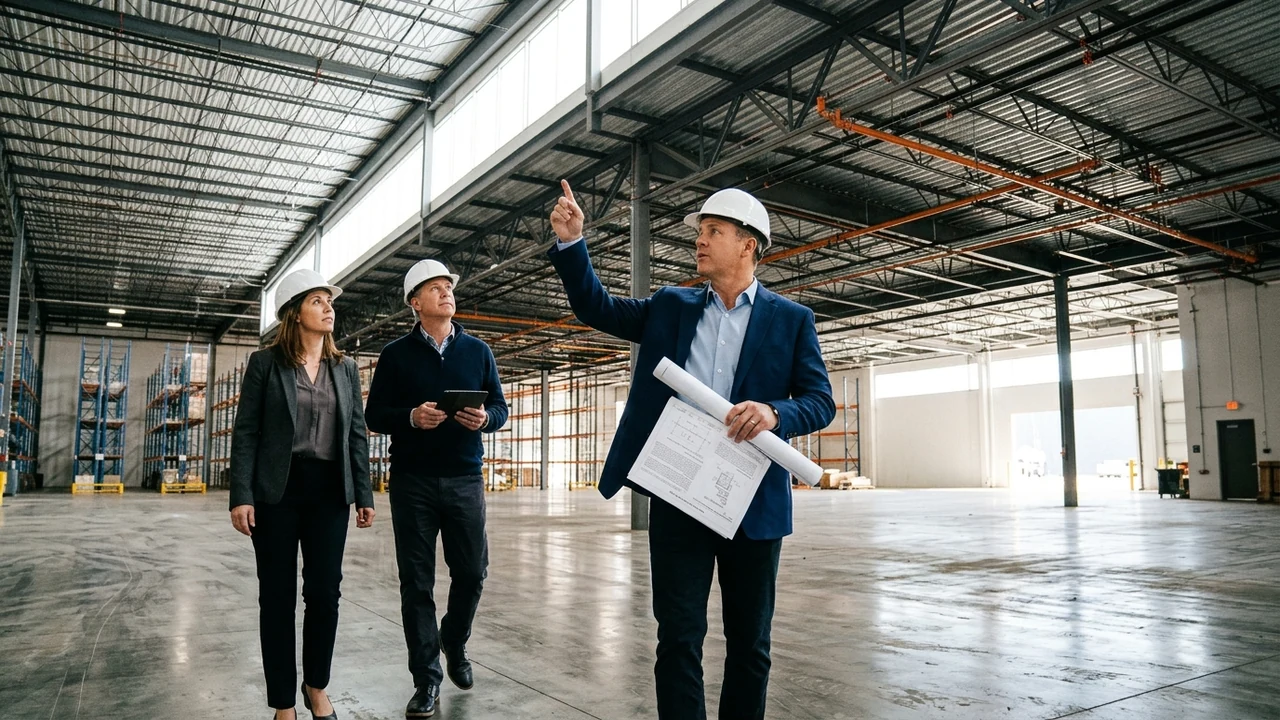
Coach your tenants lightly, without scripting them. Ask them to keep their space tidy on tour day and to send any building complaints to you, not the buyer. You are not hiding problems. You are keeping the tour calm and on track. A smooth, respectful showing protects both your price and your tenant relationship.
Your simple plan for tour day
Tour day runs best with a plan. I always arrive at least 30 minutes early to set the stage before the buyer pulls in. Turn on every light. Open the dock doors if the weather is good. Set the office temperature to a comfortable level. A building that greets a buyer warm and bright starts the meeting on a high note.
Walk a set route that shows off strengths first. Start at the front, move through the office, then open into the main warehouse where the clear height and space impress most. End at the docks and truck court. Save weak spots for the middle of the walk, since people best remember the start and the end of a tour.
Use this quick tour day checklist so nothing slips:
- Turn on all interior and exterior lights, and replace any dead bulbs the night before.
- Sweep floors, clear aisles, and remove any clutter or trash.
- Test dock doors, levelers, and grade level doors so they open smoothly.
- Set office heating or cooling to a comfortable level about an hour ahead.
- Lay out your document folder and the one page building systems sheet.
- Post clear signs for parking, entrance, and accessible spaces.
- Give tenants their notice and confirm the time in writing.
Give the buyer room to look and talk. Answer questions with straight facts, and share numbers instead of guesses. If you do not know an answer, say so and promise to follow up. Honesty on tour day builds the trust that carries a deal all the way to closing.
After the tour: turn interest into offers
In my experience, the deal is won or lost in the 48 hours after the tour, not during it. A buyer’s excitement cools fast once they drive away. So follow up quickly. Send a thank you note, the document folder, and answers to any question you could not cover on site. Speed shows you are serious and easy to work with.
Watch for buying signals during and after the tour. Buyers who ask about CAM costs, tenant leases, or how soon they can close are usually close to an offer. Those who measure dock doors or bring a contractor back for a second look are even closer. When you spot these signs, keep the momentum going with fast, clear replies.
Once an offer comes in, price and terms take center stage. This is where good prep pays off, because a clean, well documented building gives you room to hold firm. Our guide on how to negotiate commercial property price walks through the moves that protect your number after a strong tour.
Set your timing expectations early so you do not panic mid deal. Industrial sales take time, and rushing can cost you money. If you want a realistic read on your market, see how long it takes to sell commercial property in Louisville. A prepared building, priced right and shown well, tends to move faster than the pack, and that is the whole point of doing this work up front.
Wrapping it up
Preparing your industrial property for a buyer tour is not fancy work. It is honest, hands on work. Clean the space, fix the small stuff, get your papers in order, and make the docks, lights, and power shine. Do that, and buyers trust the building faster and pay closer to your asking price.
The sellers who win treat the tour like a first date, not a formality. They show a building that is bright, tidy, and ready to work on day one. Start early, be honest about problems, and lead the buyer through a smooth, confident walk. If you want a partner to help you prep and price your building for the Louisville market, reach out and we can walk it together before the first buyer ever arrives.
Frequently asked questions
How long does it take to prepare an industrial property for buyer tours?
For most buildings, a solid prep takes 1 to 3 weeks. A deep clean and small fixes can be done in a weekend, but gathering documents, sorting zoning, and starting a Phase I environmental assessment takes longer. Start at least two to three weeks before your first tour so nothing feels rushed.
What do commercial buyers care about most during an industrial tour?
They care most about the bones of the building. That means clear height, working dock doors, floor strength, three-phase power, and the roof’s age and condition. These items decide how the building will earn money for them. Have exact numbers ready for each one, because guesses make buyers nervous.
Should I fix problems before the tour or just lower my price?
Fix the cheap, visible problems first. Buyers tend to overguess repair costs by 2 to 3 times, so a small fix often saves you a much bigger price cut. For big ticket items like a failing roof, it is often smarter to disclose them and adjust price, rather than spend heavily right before selling.
Do I need to tell buyers about environmental history?
Yes. Industrial buildings often have past uses that can affect the soil, so buyers and lenders will check. The EPA expects a Phase I review, a study of the site’s history, to be current within one year of purchase. Being open about your building’s history early builds trust and keeps the deal on track.
How do I show a building that still has tenants inside?
Give tenants written notice first, usually 24 to 48 hours as your lease requires. Pick tour times outside their busiest hours, and ask them to keep their space tidy. Have your rent roll and leases ready, since buyers of leased buildings are really buying the steady income the tenants provide.
