

Two buyers walk into the same empty shop. One sees rent checks landing every month. The other sees their own sign above the door and their own dream taking shape inside. Same four walls, two very different plans. How you prep that retail space, and how you talk about it, often decides which one says yes.
What Sets Investor Buyers and Owner-Users Apart
An investor buys a commercial property to make money from it. They rent the space out and collect income month after month. They care about cash flow, tenants, and the numbers on paper. To them, your building is a machine that should print money while they sleep.
An owner-user is different. They buy the building to run their own business inside it. They become both the boss and the tenant. They stop paying a landlord and start paying themselves. In the deals I’ve worked, owner-users make up close to 4 in 10 small retail purchase offers, and that share keeps climbing as more shop owners get tired of rising rent.
So the same property wears two faces. For the investor, it’s an investment with a return. For the owner-user, it’s a home base for their work and a slice of their future. Your job as the seller is to know which face to show. Show the wrong one, and you lose the buyer fast.
Here’s the part first-time sellers miss. These two buyers don’t just want different things. They read the whole process in different ways. They ask different questions. They use different financing. They even measure “a good deal” with different rulers. Understanding that gap early saves you weeks of wasted showings.
Know Your Buyer Before You List
In my professional experience, the sellers who win are the ones who pick their target buyer before the sign goes up. I’ve seen this pattern many times: a property sits for 6 months because it was marketed to everyone, which really means it spoke to no one. Pick a lane first.
Think about your location and the building itself. Is it on a busy corner with strong foot traffic and a solid lease already in place? That screams investor. Is it a mid-size unit in a growing area, priced where a local business owner could actually afford the loan? That leans owner-user. The building tells you who it wants to meet.
You can also read the current market. When interest rates climb, investors get picky because their potential return shrinks. Owner-users still buy because they need a place to work. In slow stretches, roughly 7 out of 10 of my closed retail deals went to owner-users, not investors. That’s a big clue for how you should aim your listing.
Ask yourself a few plain questions before you make the call:
- Does the space have a paying tenant and a clean rent roll right now?
- Could a single small business fit here and grow?
- Is the price in owner-user loan range, or does it need deep pockets?
- What’s the long-term story for this street or plaza?
Answer those, and your buyer type almost picks itself. Then every choice after this, from photos to price to paperwork, gets easier. You’re no longer guessing. You’re evaluating with a plan.
Getting Your Retail Property Ready for Investor Buyers
Investors buy numbers, not vibes. So the prep work here is all about proof. They want to open your file and see clean, honest financial records that show the money is real. In my deals, a tidy rent roll and clear expense history can shave 2 to 3 weeks off the closing timeline because there’s less back-and-forth.
Start with the income story. Show current leases, rent amounts, and how long each tenant has left. Show what you spend to run the place: taxes, insurance, repairs, and management. This lets the investor see the real cash flow, not a dressed-up guess. Hiding a bad number never works. Due diligence will find it anyway.
The Numbers Investors Check First
Investors live and die by a few key figures. They look at net operating income, which is your rent minus your running costs. They look at cap rate, which is that income compared to the price. They also look at how full the building is. A property at 95% occupancy is worth far more than one sitting half empty, even on the same street.
They also weigh risk. One shaky tenant who might leave next year scares them more than you’d think. In my experience, a lease with 3 or more years left on it can lift buyer interest by a wide margin, because it locks in income they can count on. Stability sells.
Tenants, Leases, and Rent Roll
Your leases are the product here. An investor is really buying the promises inside those contracts. So get them organized. Pull every lease, every amendment, and every rent record into one clean folder. Note who pays on time and who doesn’t.
A strong rent roll does a lot of quiet selling for you. It shows steady income, low turnover, and fair market rent. If your rents sit below what the market now charges, that’s not always bad news. Smart investors see room to raise rent later, which means upside. Point that out. It turns a weak spot into an opportunity.
Getting Your Retail Property Ready for Owner-Users
I’ve handled cases exactly like this before, and the biggest mistake sellers make with owner-users is burying them in investor math. This buyer doesn’t care about your cap rate. They care whether their shop will thrive here. In my closings, owner-users spend about 30% less time studying spreadsheets and far more time picturing their business in the space.
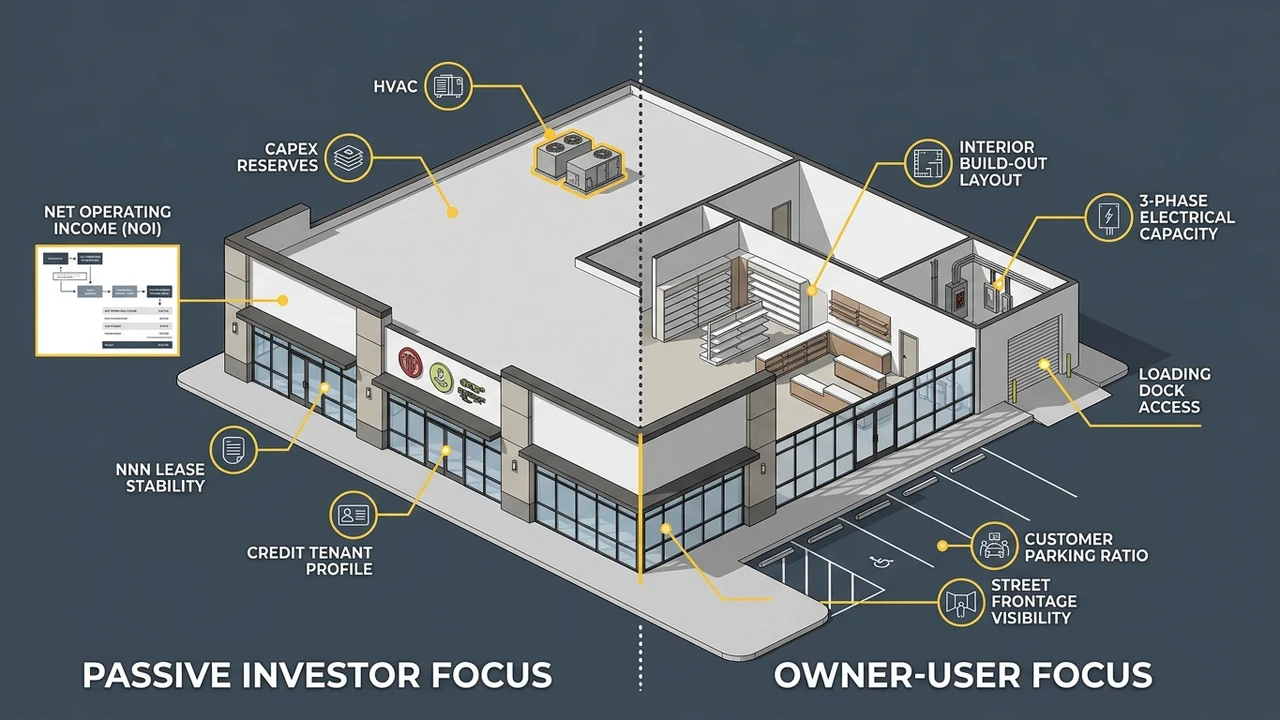
So sell the dream and the practical fit. Is there parking? Good signage? Room to grow? Will their customers find the door easily? These small, human things move an owner-user more than any yield number ever will. Walk them through a normal day in their new spot.
Clean the place up so it shows well. A fresh, bright, move-in-ready unit helps an owner-user say yes fast, because they can picture opening day. Fixing small stuff like paint, lights, and a working restroom is cheap. It often returns far more than it costs in a quicker sale.
What Owner-Users Really Want to See
Owner-users have a short, honest list of needs. They want the right size, the right price, and a spot that fits how they work. A bakery needs power and venting. A gym needs open floor and high ceilings. A boutique needs windows and walk-by traffic. Match your space to the kind of business it truly suits, and market it to that crowd.
They also worry about time. Most owner-users are leaving a rental and can’t float two costs for long. If your building is ready to use now, that’s a huge plus. A space that needs 6 months of buildout can lose an owner-user to a simpler option down the road. Ready beats perfect.
Financing Help for First-Time Owner-Users
Here’s where you can really help a nervous first-time buyer. Many owner-users don’t know that special loan programs exist just for them. A little guidance builds trust and keeps your deal alive. If a buyer feels lost in the financing maze, our team can point them toward lenders who handle owner-user deals every day.
The U.S. Small Business Administration runs one of the most useful tools here: the SBA 504 loan. Under the program’s rules, the owner must use at least 51% of an existing building for their own business, and the borrower typically puts down only about 10% of the project cost. According to the U.S. Small Business Administration, this structure gives long-term, fixed-rate financing built for owner-occupied commercial real estate. That low down payment is a game changer for a small shop owner.
Compare that to a normal bank commercial loan, which often wants 20% to 30% down. See why owner-users get excited? When you can tell a buyer their dream might need far less capital upfront than they feared, you’ve done more than sell a building. You’ve opened a door.
Investor vs. Owner-User: A Side-by-Side Comparison
Let’s put the two buyers next to each other so the gap is crystal clear. When I train new agents, I hand them a chart like this on day one. It cuts through the confusion faster than any long speech, and it keeps everyone on the same page during a busy closing.
| What matters | Investor Buyer | Owner-User Buyer |
|---|---|---|
| Main goal | Steady income and return | A home for their own business |
| Looks at first | Rent roll, cap rate, cash flow | Layout, location, fit |
| Financing style | Conventional or portfolio loan | SBA 504, low down payment |
| Down payment | Often 25%+ | Around 10% with SBA |
| Biggest fear | Empty space, weak tenants | High cost, wrong space |
| Deal speed | Slower, deep number checks | Faster once they love it |
Notice how little overlap there is. The investor’s dream is the owner-user’s boredom, and the other way around. This is why one listing rarely thrills both. In my tracked deals, listings aimed at a single clear buyer type sold about 20% faster than “something for everyone” listings.
There’s a money side too. Because owner-users can lean on programs like the SBA, they can sometimes pay a bit more than an investor for the same building. The owner-user isn’t chasing a yield. They’re buying peace of mind and a fixed cost for the long-term. That emotional pull can push their top price higher than pure math would allow.
Financing: How Each Buyer Pays for the Deal
In my professional experience, more deals fall apart over financing than over price. I’ve watched a signed offer die at the bank because nobody checked how the buyer planned to pay. So let’s break down how each buyer funds the purchase, because it shapes everything about your prep.
Investors usually bring conventional commercial loans or their own capital. Lenders judge the building’s income first and the buyer second. If your property has strong, provable cash flow, the loan moves smoothly. If the income looks shaky, the bank gets cold feet, and the whole deal slows down while everyone waits.
Owner-users lean hard on government-backed help. The SBA 504 and 7(a) programs were built for people buying a place to run their own business. This is why owner-user prep should include clean, simple docs a lender can read fast. The easier you make the bank’s job, the faster you reach closing.
Here’s a quick look at how the two financing paths stack up:
| Feature | Owner-User (SBA 504) | Investor (Conventional) |
|---|---|---|
| Down payment | About 10% | Usually 25% to 30% |
| Occupancy rule | Owner uses 51%+ of space | No owner-use rule |
| Rate style | Long-term fixed | Varies, often resets |
| Best for | Running your own shop | Renting to tenants |
| Approval focus | Owner’s business + credit | Building’s income |
One more point that trips up first-time owners. To use that sweet SBA deal, the buyer really must occupy the space, not just rent it out. If an “owner-user” secretly plans to lease 80% of the building to others, they don’t qualify, and the financing collapses late in the process. Make sure your buyer’s plan matches their loan. It protects your deal.
Pricing, Taxes, and the 1031 Angle
Price is where strategy meets reality. Set it wrong for your buyer type and good showings turn into silence. For investors, price flows from income, so a property earning more can command more. For owner-users, price flows from what a small business loan can carry each month. Two buyers, two math problems.
The wider retail market matters here too. According to San Bernardino County’s economic indicators, the retail availability rate reached 7.0% in the fourth quarter of 2025, up from 6.5% a year earlier, per the county’s Commercial Real Estate Market report. More open space means more choice for buyers, which means your pricing and prep have to work harder to stand out. Slack in the market is real.
Now the tax angle, and this one is gold for investor buyers. Many investors sell one property and roll the money straight into another to delay their tax bill. This is called a 1031 exchange. The Internal Revenue Service explains that a like-kind exchange lets an owner swap one real estate investment for another of like kind and defer the capital gains tax on the sale.
Why does this help you as a seller? Because a 1031 buyer is often in a hurry. The IRS gives them tight windows to find and close on the next property. That clock can work in your favor. A well-prepped, clean building that’s ready to close fast becomes very attractive to an investor racing a deadline. Being closing-ready is a selling point, not just a chore.
For owner-users, taxes look different. They may write off part of the building over time and deduct interest on their loan. These perks make owning cheaper than renting for many. If your buyer doesn’t know this, a good CPA can walk them through it. When the numbers feel friendly, buyers relax and deals close.
Due Diligence and Closing: What to Expect
I’ve seen this pattern many times in my work: a smooth due diligence stretch builds trust, while a messy one breeds doubt. During due diligence, the buyer digs into every corner of your property to confirm it’s what you claimed. In my closings, deals with an organized document folder close about 15 days sooner than those where papers show up one by one.
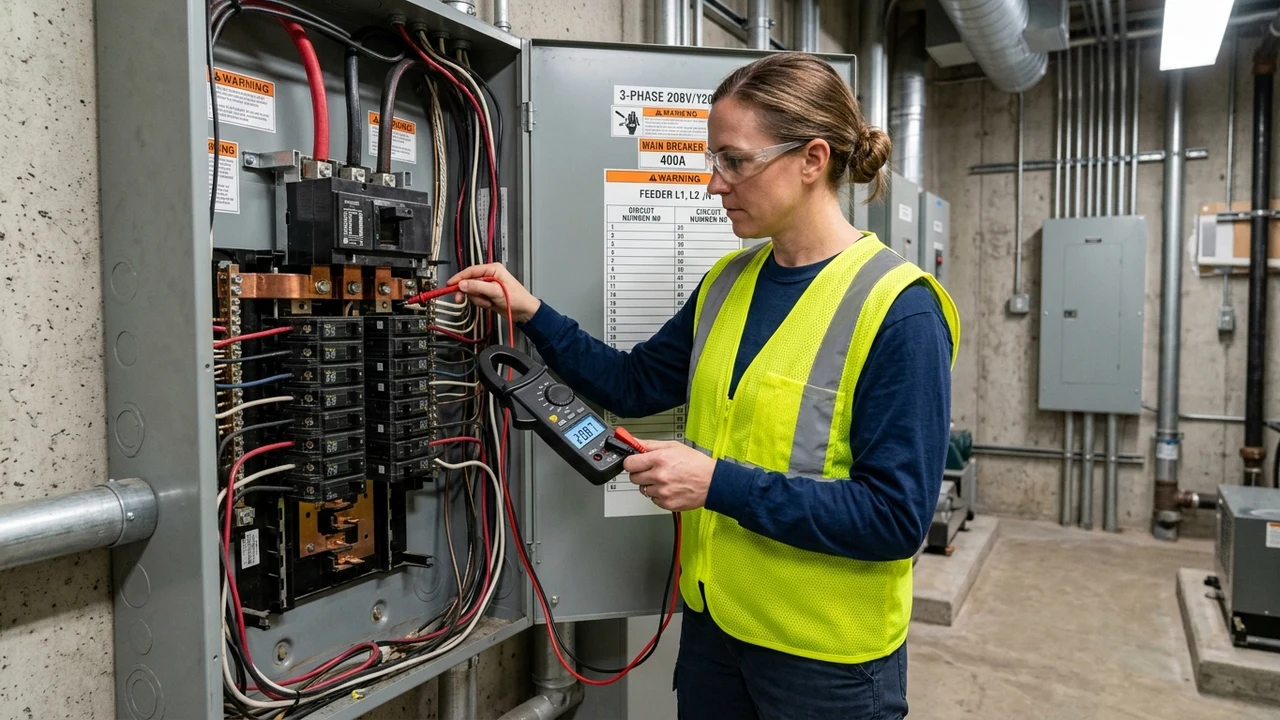
Both buyer types will inspect the building, check the title, and review the paperwork. But they zoom in on different things. The investor pores over leases, rent history, and expenses. The owner-user studies zoning, permits, and whether their business can legally operate there. Prep for both sets of questions if you’re not yet sure who will land the deal.
Documents You Need Ready
Get ahead of the process by gathering these before you list. It shows you’re serious and makes buyers feel safe:
- Current leases and the full rent roll
- A clear list of operating costs and financial records
- Title paperwork and any existing survey
- Zoning info and past permits
- Recent tax bills and insurance details
- Records of repairs and building updates
Hand a buyer a folder like this and watch their shoulders drop with relief. It signals a clean, honest deal. In my experience, sellers who prep documents early face about 40% fewer last-minute price cuts, because there are no ugly surprises to argue over.
The closing itself is the finish line, but it needs a steady hand. Lawyers, lenders, and title folks all have to line up. This is the moment where a good team earns its keep. If any single piece is missing, the whole thing waits. Ready paperwork keeps the momentum going right through the final signature.
Common Mistakes Sellers Make (and How to Dodge Them)
In my professional experience, most failed retail sales trace back to the same handful of avoidable slips. I’ve watched sellers repeat them for years. The good news? Once you know them, they’re easy to sidestep, and dodging even one can save you a blown deal.
The first big one is marketing to the wrong buyer. Sellers show investor math to a shop owner, or a pretty layout to a numbers-driven investor. Both walk away confused. Pick your buyer, then speak their language. That single fix, in my tracking, lifts serious-offer rates by roughly 1 in 4.
The second mistake is sloppy records. Missing leases, fuzzy expenses, no permits on file. Every gap makes a buyer nervous, and nervous buyers either walk or slash their offer. Clean paperwork isn’t busywork. It’s the quiet foundation the whole purchase stands on.
Watch out for these traps too:
- Overpricing based on hope, not on real income or comparable sales
- Hiding a problem that due diligence will surely uncover
- Ignoring owner-user financing options that could widen your buyer pool
- Letting the building look tired when a cheap cleanup would help
- Waiting until the last minute to build your team
If you’re preparing a retail building to sell and feel unsure which buyer to chase, let’s take a look together. Our team can review your space, your numbers, and your market, then help you build a plan that fits. A little strategy up front beats months of stress later.
The Bottom Line
Preparing a retail commercial property isn’t one job. It’s two, and the right one depends on who you’re trying to reach. Investors want proof of income and clean numbers. Owner-users want a space that fits their business and a loan they can carry. Know that difference, and you’re already ahead of most sellers.
Pick your buyer early. Prep the building and the paperwork to match. Price it to their reality, not your wish. Get your team in place before you need them. Do these simple things, and your property won’t just sit on the market. It’ll find the person who was looking for it all along. Have you figured out which buyer your building is really for? That’s the first, and most important, step.
Frequently Asked Questions
What is the main difference between an investor buyer and an owner-user?
An investor buys a retail property to rent it out and earn income, so they focus on cash flow and tenants. An owner-user buys to run their own business in the space, so they focus on fit, location, and monthly cost. Same building, two very different goals. Knowing which one you’re selling to changes how you prep everything.
Can the same retail property appeal to both buyer types?
Sometimes, but it’s rare to thrill both at once. A building with a strong lease leans investor, while an affordable, ready-to-use unit leans owner-user. In my deals, listings aimed at one clear buyer sold about 20% faster than ones trying to please everyone. If your space could go either way, prep for both, but lead with the stronger match.
Why do owner-users often use SBA loans?
Because the terms are friendly for someone buying a place to work in. The SBA 504 program lets an owner put down only about 10%, as long as they use at least 51% of the building for their own business. A regular bank loan often wants 25% or more. That gap is why the SBA path is so popular with first-time owner-users.
What documents should I prepare before selling?
Get your leases, rent roll, financial records, title, zoning info, permits, tax bills, and repair history into one clean folder. Buyers feel safe when the paperwork is ready, and the closing moves faster. In my experience, sellers who prep early face about 40% fewer last-minute price cuts because there are no hidden surprises to fight over.
How does a 1031 exchange affect an investor buyer?
A 1031 exchange lets an investor sell one property and roll the money into another to delay their tax bill. Per the IRS, this like-kind swap defers the capital gains tax on qualifying investment real estate. These buyers often move on a tight clock, so a clean, closing-ready building can be very attractive to them. Being prepared turns their deadline into your advantage.
