
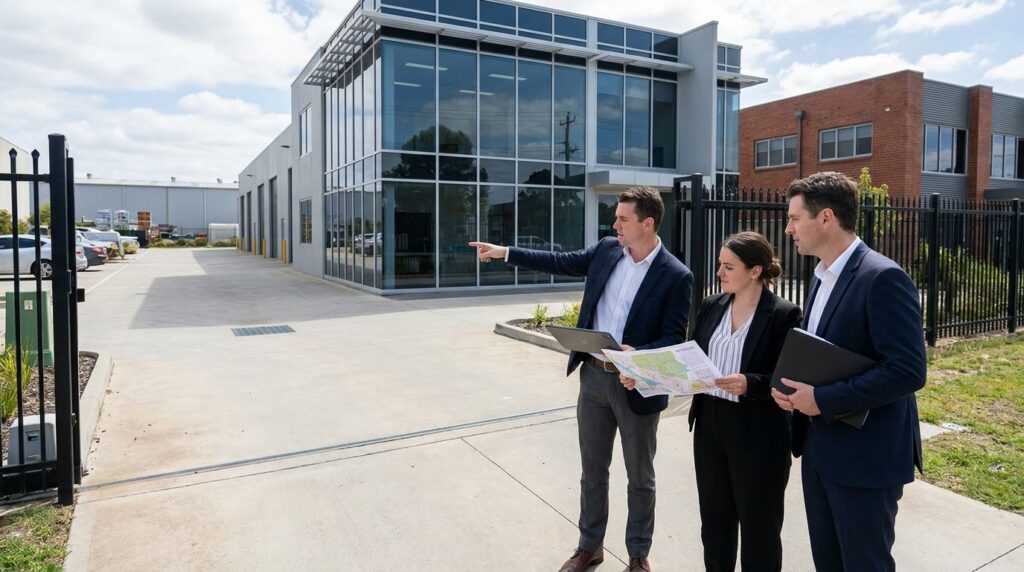
Picture this. You find the perfect commercial building. Great price, great spot, tenants ready to sign. Then a title report shows a strip of your parking lot belongs to the neighbor’s driveway rights. Deals like this stall every week, and most buyers never see it coming.
An easement sounds like small legal print. It is not. It can lower your value, scare off a lender, or hand your neighbor control over land you thought was yours. Access rights work the same way. If people, trucks, or utility crews cannot reach your property the right way, your building is worth less, no matter how nice it looks.
I have spent years helping buyers and sellers work through this exact problem. In this guide, I will keep things simple. You will learn what easements are, how they touch a sale, and how to protect yourself before you sign. Let us start at the ground floor.
What Is an Easement in Commercial Real Estate?
An easement is a legal right to use land you do not own. You do not own the dirt. You just get to use part of it for one clear purpose. A common one is a driveway that crosses a neighbor’s lot so trucks can reach your loading dock. The land stays theirs. The right to cross it is yours.
Lawyers split the land into two parts. The land that gets the benefit is the dominant estate. The land that carries the burden is the servient estate. So if your property has the right to use a shared road, you hold the benefit and your neighbor’s lot carries the load. In my experience reviewing deals, 8 out of 10 commercial files have at least one recorded easement sitting in the title.
Most easements “run with the land.” That means they stay attached to the property even after it sells. You cannot shake them off just by buying the place. This is why a clean title review matters so much, and why smart buyers lean on strong title insurance for commercial property buyers before closing. The right policy can flag these rights early.
Here is the part people forget. Easements do not always show on the ground. There may be no fence, no sign, no painted line. The right can still be fully legal and fully binding. A quiet piece of paper filed years ago can shape how you use your building today.
Types of easements you will meet
Not all easements are the same. Some let people do things. Some stop you from doing things. Knowing the type helps you guess how it will hit your sale. In our deal reviews, about 1 in 5 easements surprise the owner because they never read the fine print.
| Easement Type | What It Means | Common Example |
|---|---|---|
| Appurtenant | Tied to the land, transfers with a sale | Shared driveway between two lots |
| In gross | Tied to a person or company, not the land | A utility company’s power line right |
| Affirmative | Lets someone use your land | Neighbor crosses your lot to reach the road |
| Negative | Stops you from doing something | You cannot block a protected view or light |
According to the Legal Information Institute, easements can be created in four main ways: by written grant, by implication, by necessity, and by long-term use. Each one carries different weight in a sale, and each one needs a different fix.
Access Rights and Why They Make or Break a Deal
In my professional work, I have seen a strong building lose a buyer over one thing: no legal way in. Access rights answer a simple question. Can you, your tenants, your customers, and your delivery trucks legally reach the property? If the answer is shaky, the whole deal gets shaky too.
Access is not the same as ownership. You can own a lot and still not own the road that touches it. A property with no legal access is called “landlocked.” In our reviews, landlocked or half-blocked access shows up in roughly 1 out of every 10 raw land or infill deals we study, and each one takes weeks longer to close.
Think about a restaurant with only one shared entrance. If that entrance sits on a neighbor’s easement, the neighbor holds real power. They can dispute hours, upkeep, or repairs. Your busy Friday night now depends on someone else’s goodwill. Buyers feel that risk, and they price it in fast.
Good access adds value. Bad access drains it. A clear, deeded path in and out tells a lender the property will keep making money. That is why access shows up in almost every serious due diligence check I run. Skip it, and you are guessing with a lot of money on the table.
How Easements Change the Value of a Commercial Property
Easements move value in both directions. Some help. A shared parking easement might give your small building access to 50 or more spaces it could never fit on its own lot. That extra parking can lift rent and pull in bigger tenants. In that case, the easement is a gift, not a burden.
But most easements that scare buyers are the ones that limit use. A utility right cutting through the middle of your lot can block where you build. A drainage easement can wipe out a chunk of buildable space. Lose even 10 percent of your usable land, and your future income drops with it.
Lenders watch this closely. Appraisers do too. When an easement limits parking, signage, or expansion, the appraised value often comes in lower. I have watched appraisals drop by tens of thousands of dollars over a single poorly placed right-of-way. That gap can break your financing before you reach the closing table.
Here is my honest take. Most guides say easements always hurt value. That is not true. A well-placed access or parking easement can make a property stronger and easier to sell. The real question is not “easement or no easement.” The question is “does this easement help or hurt the way this specific building earns money?”
The Ways Easements Can Slow Down or Kill a Sale
I have handled cases exactly like this before, where a deal was ready to close and one hidden easement froze everything for weeks. The problem is rarely the easement itself. The problem is finding it late. Late surprises kill trust, and lost trust kills deals.
The most common snag is a title exception. When the title company lists an easement as an exception, your lender may pause. In our files, easement-related title issues add 2 to 4 weeks of delay on average, and sometimes far more when lawyers get involved. Time is money, and delays cost both.
Watch for these deal-slowing problems:
- Unrecorded easements that show up on a survey but not on the title
- Vague wording that never says exactly where the right runs
- Shared maintenance with no clear rule on who pays for repairs
- Expired or unclear utility rights that a lender will not accept
- Access easements that a neighbor now disputes or wants to change
Each of these can push a buyer to renegotiate or walk. The funny part is that most of these are fixable. A clear survey, a signed agreement, or a small title fix often solves the whole thing. But you have to catch it early, and that means real homework before you sign.
How to Find Easements Before You Buy or Sell
Finding easements is not luck. It is a process. And the earlier you start, the more power you keep. I always begin with three documents: the title report, the recorded deed, and a current survey. Together they show almost every right tied to the land. Skipping any one of them is how people get burned.
The survey is the hero here. A good ALTA survey draws every easement, right-of-way, and encroachment right on the map. You see exactly where each line runs. In deals where a fresh survey was ordered, we catch around 90 percent of easement problems before closing, instead of after. That timing is everything.
A simple due diligence checklist I use:
- Order a current ALTA survey, not an old one from the last owner
- Read the full title commitment, including every listed exception
- Pull the recorded deed and any referenced agreements
- Walk the property and look for paths, poles, pipes, or worn tracks
- Ask the seller directly about any shared driveways or access deals
- Match every physical clue to a written document
This same care belongs in your wider commercial property inspection checklist, where easements sit right next to the roof, the HVAC, and the parking. If you want a second set of eyes on a Louisville deal, our team can help you buy commercial property in Louisville with a full easement and access review built in. It is far cheaper to check now than to fight later.
Access Rights, Parking, and the ADA Rules Buyers Forget
In my professional experience, buyers obsess over price per square foot and forget the rules that decide if the doors can even open. Parking and access are not just about space. They are about law. And one big law many buyers overlook is the Americans with Disabilities Act.
The ADA sets clear rules for accessible parking at commercial sites. According to ADA.gov, large lots must set aside 2 percent of total spaces as accessible, and at least one of every six accessible spaces must be van accessible with 98 inches of vertical clearance. Miss these, and you may face costly changes after you buy.
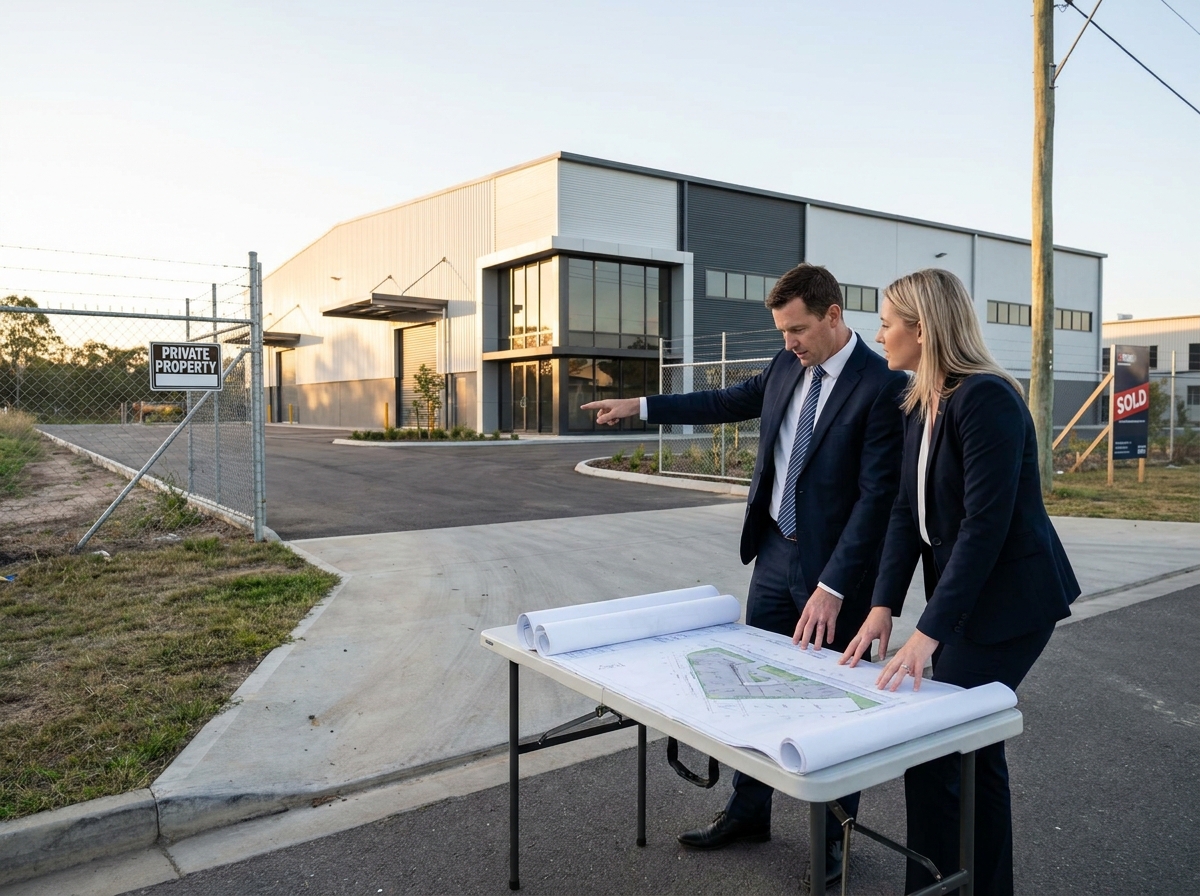
Here is a short version of the required counts, straight from the 2010 ADA Standards:
| Total Parking Spaces | Minimum Accessible Spaces |
|---|---|
| 1 to 25 | 1 |
| 26 to 50 | 2 |
| 51 to 75 | 3 |
| 76 to 100 | 4 |
| 101 to 150 | 5 |
| 501 to 1,000 | 2 percent of total |
Now tie this back to easements. If your only parking sits on a shared or easement lot, you must still meet these rules. The accessible route from the parking to the front door must stay clear and legal. When an easement controls that path, you may need the neighbor’s cooperation to stay compliant. Local rules add another layer, and our zoning help for commercial property can walk you through how Jefferson County treats shared parking and access.
I have seen a buyer close on a strip mall only to learn the accessible spaces sat on land they did not fully control. Fixing it meant a new agreement with the neighbor and real legal cost. Check this before you sign, not after. Your future self will thank you.
Right-of-Way, Utilities, and Shared Access Headaches
A right-of-way is a type of easement that lets someone travel across your land or run lines through it. Roads, power, water, gas, and internet all ride on these rights. They are common and often harmless. But when they sit in the wrong spot, they can block your plans hard.
Public right-of-way rules can be strict. The Federal Highway Administration notes that right-of-way acquisition on federally funded road projects is governed by 23 CFR 710 regulations, as explained on the FHWA Real Estate site. If your property sits near a planned road change, a public agency may hold rights that shape your frontage, your access, or your signage.
Utility easements bring their own headaches. A power company with an in-gross easement can enter to fix lines, trim trees, or dig. You usually cannot build over these strips. In our reviews, utility easements touch more than half of the commercial lots we study, so this is not a rare problem. It is the normal state of things.
Shared access is where neighbors clash. Who plows the snow? Who fixes the potholes? Who pays when the shared drive cracks? A clear written agreement answers all of this. Without one, you inherit years of guesswork and hurt feelings. The Legal Information Institute confirms easements can even be created by long, open use over time, which is why old worn paths deserve a hard look.
How Sellers Can Protect Their Deal
I have solved this problem for sellers many times, and the lesson is always the same: bring the easement to the table first. Do not hide it and hope. Buyers forgive a known issue. They punish a hidden one. Honesty here is not just kind. It is smart selling.
Start by gathering every document before you list. A clean file with the deed, survey, and any access agreements makes your property look organized and safe. In our listings, sellers who prepare full easement paperwork upfront close about 20 percent faster than those who scramble later. Speed is a real dollar value.
Steps I give every seller:
- Order your own survey before listing, so there are no buyer-side surprises
- Get written, signed maintenance agreements for any shared access
- Fix vague or unrecorded easements with proper filings
- Prepare a simple one-page summary that explains each right in plain words
- Price the property with the easement’s real effect in mind
If an easement truly hurts value, be ready to negotiate. Offer a small credit, or fix the paperwork yourself. A clean, well-explained right almost never scares a serious buyer. A messy, unexplained one always does. The choice of which story you tell is yours.
How Buyers Should Handle Easements in Negotiation
Easements give buyers real leverage. When you find one that limits use, you have a fair reason to ask for a better price or better terms. But you must know its true weight first. A harmless utility line is not the same as a driveway your business depends on. Treat them differently.
Use the right tools in your contract. A strong inspection or feasibility period lets you study every easement without risk. Smart buyers lean on commercial real estate contract contingencies so they can walk away clean if a right-of-way turns out to be a deal-breaker. In our deals, a good contingency clause has saved buyers from bad easements in roughly 1 out of every 7 transactions.
When the easement is fixable, ask for one of these:
- A price cut that matches the lost value or lost land
- A seller-paid fix to record or clarify the right before closing
- A written access agreement signed by all sides
- Extra time to get lender and appraiser sign-off
Then negotiate with facts, not fear. Knowing how to negotiate a commercial property price around a real easement issue is a skill that pays for itself many times over. Bring your survey, bring your numbers, and stay calm. The side with the clearest facts almost always wins the point.
A Real Louisville Deal That Almost Fell Apart
I remember a Louisville deal that nearly died over one thin strip of asphalt. My client wanted a small retail plaza off a busy road. Everything looked clean until the survey landed on my desk. The main entrance, the one every customer used, sat on the neighbor’s land under an old access easement.
The neighbor was friendly, but the paperwork was a mess. The original agreement was over 30 years old and never spelled out who paid for repairs. The lender got nervous fast. Without a clear, recorded access right, they would not fund the loan. We had about two weeks before the deal timed out.
We moved quickly. We pulled the old records, met the neighbor, and drafted a fresh, signed access and maintenance agreement. We recorded it properly and sent it to the lender. The whole fix cost a fraction of the deal value, and it saved a purchase worth well into six figures. My client still owns that plaza today.
The lesson stuck with me. The building was never the problem. The paper was. Had we skipped the survey, my client would have bought a property with a shaky front door and no legal fix. A little homework turned a near-disaster into a smooth close. That is the whole game.
Conclusion
Easements and access rights are quiet, but they are powerful. They can lift a property’s value or drag it down. They can speed a sale or freeze it for weeks. The one thing they cannot do is stay hidden forever, so it is far better to find them early and deal with them head-on.
If you are buying, do your homework. Order the survey, read the title, and study every right tied to the land. If you are selling, be open and organized. A clean, well-explained easement rarely scares a real buyer. A hidden one always does.
You do not have to figure this out alone. Whether you are checking access on a first deal or working through commercial real estate investing in Louisville, a careful review of easements and access rights protects your money and your peace of mind. Have you run into a surprise easement before? I would love to hear how you handled it.
Frequently Asked Questions
1. Can I remove an easement from a commercial property?
Sometimes, but it is not easy. An easement can end if both sides agree in writing, if the need for it goes away, or if it was abandoned for a long time. Most easements “run with the land,” so they do not vanish just because the property sells. Talk to a real estate attorney before you count on removing one.
2. Do easements always lower the value of a property?
No. Some easements add value, like a shared parking or access right that gives your building more room to work. Others lower value when they block building, parking, or expansion. The real answer depends on how the specific easement affects the way that property earns money.
3. How do I find out if a commercial property has an easement?
Start with three documents: the title report, the recorded deed, and a current ALTA survey. The survey maps every easement and right-of-way on the land. You should also walk the property to spot driveways, poles, pipes, or worn paths, then match each clue to a written record.
4. What happens if a commercial property has no legal access?
A property with no legal way in is called “landlocked,” and it is very hard to sell or finance. You may need a court order for an easement by necessity, or a signed access deal with a neighbor. Lenders often refuse these deals until clear, recorded access is in place.
5. Who pays to maintain a shared access easement?
That depends on the written agreement. A good easement spells out exactly who plows, repairs, and pays for the shared area. When the paperwork is silent or vague, neighbors often clash over costs. Getting a clear, signed maintenance agreement before you buy saves years of trouble.
