
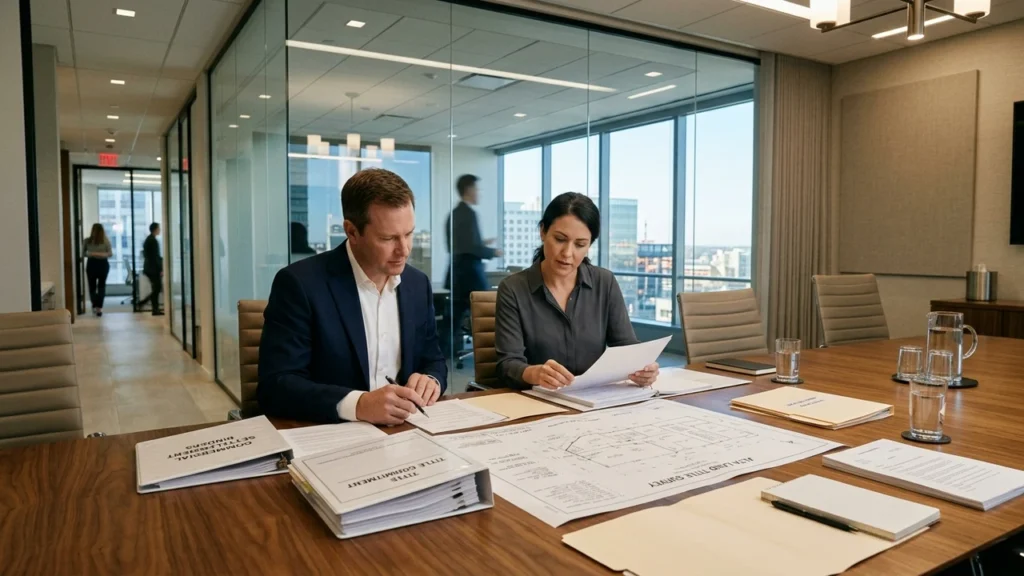
You listed your commercial property. You expected a clean, quick sale. Then weeks turned into months, and the deal still sits wide open with no closing date in sight. Most sellers feel this exact pain, and the funny part is that most of it can be avoided with the right prep long before a buyer shows up.
Why Commercial Property Sales Slow Down
A home sale can wrap up fast. A commercial real estate sale rarely moves that way. There are more documents, more legal checks, and more people who must say yes before anyone signs. Buyers borrow big money, so their lenders dig deep into the numbers. That digging takes time, and time is where delays love to hide.
In the deals I have worked around Louisville, a typical commercial transaction takes 90 to 180 days from signed contract to closing, and a messy file can push it past eight months. The market matters too. When interest rates climb, buyers slow down and get picky. If you want a clear stage-by-stage timeline for our area, my guide on how long it takes to sell commercial property in Louisville walks through each step so you know what is normal and what is a red flag.
Here is the thing most sellers miss. The sale does not stall because of one big problem. It stalls because of many small ones stacked together. A late document here. A title question there. A lease nobody can find. Each one adds days, and those days add up fast.
These are the usual reasons a commercial deal drags:
- Due diligence turns up surprises the seller never saw coming
- Title and legal issues that must be cleared before closing
- Buyer financing that falls through or slows to a crawl
- Missing or messy lease and tenant paperwork
- Pricing and appraisal gaps that spark new negotiations
- Zoning, permit, and environmental review hold-ups
Knowing the enemy is half the battle. Let us break each one down and, more importantly, show you how to prepare so your listing does not get stuck.
Due Diligence: The Biggest Source of Delays
I have handled cases exactly like this more times than I can count. A buyer signs, feels sure, then their due diligence team finds one bad file, and the whole deal freezes while everyone scrambles. Due diligence is simply the buyer’s homework period. They check every claim you made about the property before they hand over the money.
This stage is where deals go to die. In my work, close to 6 out of 10 commercial sale slowdowns start right here in diligence. Buyers want proof, not promises. They ask for tax records, service contracts, rent history, repair logs, and permits. If you hand these over slowly, or you cannot find them at all, the buyer gets nervous. A nervous buyer either walks or asks for a lower price.
The fix is easy but boring. Get your papers ready before you list. Think of it like packing for a trip the night before, not at the airport. When your file is clean, buyers move fast and trust you more. When it is a mess, they assume the property is a mess too.
Here is what smart sellers gather early:
| Due diligence item | What buyers check | How sellers prepare |
|---|---|---|
| Financial records | Income, expenses, tax returns | Keep 2-3 years clean and ready |
| Rent roll and leases | Tenant terms, rent, dates | Update the rent roll monthly |
| Service contracts | HVAC, cleaning, security deals | List every active contract |
| Repair and permit history | Past work, open permits | Save receipts and permit copies |
| Title and survey | Ownership, liens, boundaries | Order an early title check |
One more tip from the field. Buyers often ask for the same documents twice, in slightly different forms. Do not take it as an insult. Keep a shared folder online. A seller who answers in hours, not weeks, keeps the deal warm and cuts the review clock in half.
Title and Legal Snags That Freeze Closing
Title problems are the quiet killers of a commercial sale. The title is the legal proof that you own the property and can sell it clean. If there is an old lien, a boundary fight, or a lost heir with a claim, the closing cannot happen. And these issues love to show up at the worst possible moment.
In my experience, roughly 1 in 4 commercial deals hits some kind of title or legal snag, and about a third of those add real weeks to the closing clock. The common ones are old mortgages that were paid but never cleared, unpaid contractor bills, tax liens, and easements nobody knew about. Any of these can stop the transaction cold until they are fixed.
Legal disputes are the other trap. Maybe a business partner disagrees with the sale. Maybe a tenant claims a right to buy first. Maybe an old contract has terms that clash with your new one. These fights take lawyers and time to settle, and they can scare a buyer away.
Common title issues and how they get fixed:
| Title issue | What it means | Typical fix |
|---|---|---|
| Old lien | A paid debt still on record | File a release with the county |
| Boundary dispute | Unclear property lines | New survey and agreement |
| Unpaid taxes | Back taxes owed | Pay off before closing |
| Easement surprise | Someone else can use part of the land | Disclose and price it in |
The smart move is to order a title search before you even list. Do not wait for the buyer to find the problem. When you know your own risks, you can fix them on your own clock. A solid grasp of title insurance for commercial property buyers also helps you speak the same language as the buyer’s lender. That trust keeps the deal moving.
Lease and Tenant Paperwork Problems
In my professional experience, I have found that lease files cause more last-minute panic than almost anything else. A buyer of a leased commercial property is really buying the income stream. So they read every lease like a hawk. If the paperwork is sloppy, the value they see drops fast.
Here is a number that surprises people. In income properties I have sold, about 7 out of 10 had at least one lease issue that needed cleanup before the buyer felt safe. Missing signatures. Rent amounts that do not match the rent roll. Renewal terms that were never written down. Each gap makes the buyer wonder what else is hiding.
Buyers also want something called an estoppel. That is just a short letter where each tenant confirms their rent, their term, and that nobody owes anybody money. Sounds simple. It is not. Chasing signatures from busy tenants can add two to three weeks to your timeline if you start late.
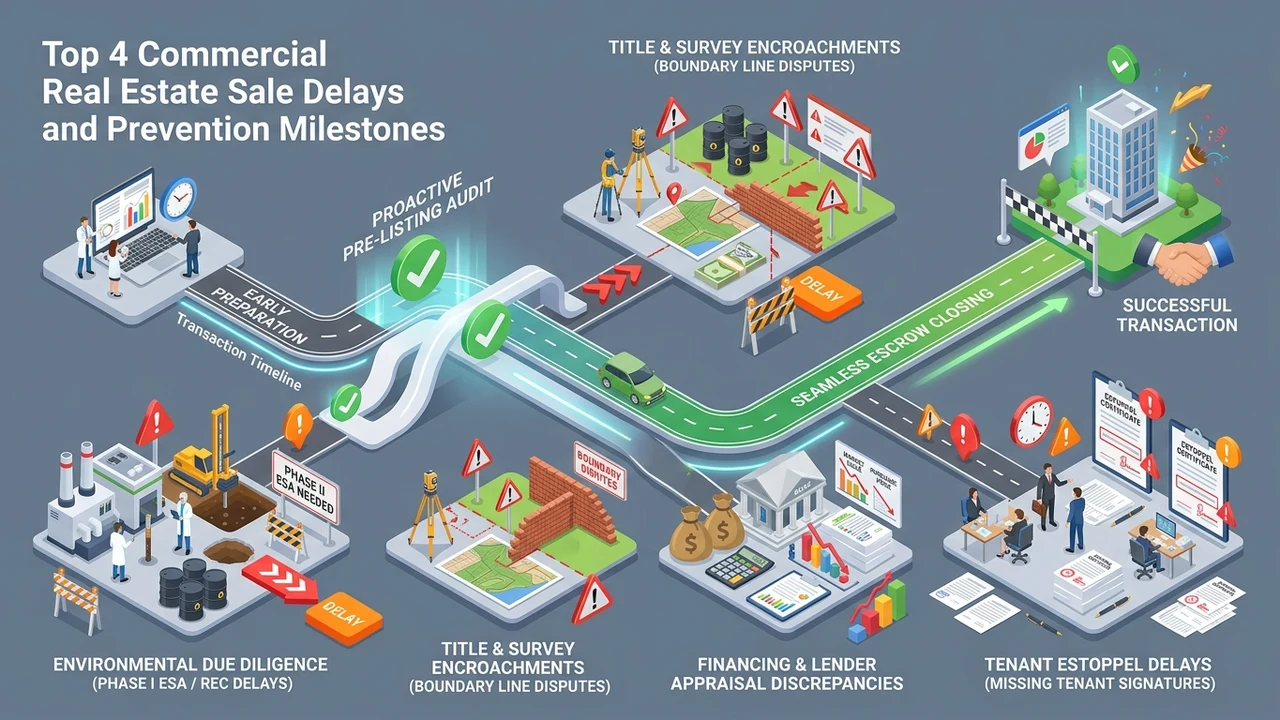
Watch for these lease red flags before you list:
- Rent in the lease does not match your rent roll
- Verbal deals with tenants that never got written down
- Expired leases where tenants stay month to month
- Missing security deposit records
- Renewal or purchase options you forgot about
Get ahead of it. Read every lease yourself, months before listing. Fix the gaps. Line up your estoppel letters early. If you are cleaning up an income property, my breakdown on how to evaluate tenant leases before a sale shows the exact spots buyers poke at. Clean leases mean a buyer who feels safe, and a safe buyer closes.
Pricing, Appraisal Gaps, and Cold Feet
Pricing is where hope meets reality. Many sellers set a price based on what they wish the property was worth, not what the market will pay. When the number is too high, the listing sits. When it sits too long, buyers assume something is wrong. Then they lowball you, and the negotiations start over.
The appraisal is the reality check nobody enjoys. Buyers borrow money, and the lender orders its own appraisal. If that value comes in below your price, the buyer’s loan shrinks. In deals I have seen, low appraisals derail close to 1 in 5 financed sales until the two sides renegotiate. Someone has to cover the gap, and that fight eats days.
Cold feet is the human factor. A buyer can get scared by rising rates, a slow tenant month, or just plain nerves. Commercial buyers are careful people. They can back out during the inspection or financing window, and a wishy-washy contract makes that easy.
So price it right the first time. Pull real, recent sales of similar properties. Be honest about condition. Build a little room into your terms for negotiation, because there will be some. A fair price backed by solid data does two things. It draws serious buyers, and it holds up when the appraiser knocks on the door. That is how you keep a sale from stalling before it ever reaches closing.
Environmental Reviews and Phase I Surprises
I have seen this pattern many times in my work: a deal cruising along, then the environmental report lands and everyone hits the brakes. For older buildings, gas stations, dry cleaners, and industrial sites, the buyer almost always orders a Phase I Environmental Site Assessment. It checks the land’s past for pollution risk.
This step is not optional busywork, and it runs on a strict clock. According to the U.S. EPA’s All Appropriate Inquiries rule (40 CFR Part 312), the inquiry must be completed within one year before the purchase, and its core parts must be refreshed within 180 days of the closing date to protect the buyer from liability. Miss that window, and the report has to be redone. That alone can add weeks. You can read the EPA’s own overview of the Brownfields All Appropriate Inquiries standard to see why lenders treat it so seriously.
If the Phase I flags a concern, the buyer may ask for a Phase II, which means soil and water testing. That can stretch your timeline by one to three months, no exaggeration. And the buyer will want to know who pays to clean any mess.
Do not let this blindside you. If your property has any industrial past, get your own Phase I done before listing. Know what is there. If you need a plain-English walkthrough, my page on the Phase I environmental assessment process explains what the report covers and what the results really mean. If you are weighing a sale and worried about the land’s history, let us map out your environmental risks together before a buyer ever asks. It is far cheaper to know now than to lose a deal later.
Financing Delays and the Money Side
Honestly, the buyer’s loan is the single biggest thing you cannot fully control, and it delays more closings than almost any other factor. Even a strong buyer waits on a bank, and banks move at their own speed. Your job as a seller is to pick a buyer whose money is real and to keep the file moving.
The lending mood swings with the market, and right now it is cautious. In its April 2025 Senior Loan Officer Opinion Survey, the Federal Reserve reported that banks, on balance, tightened standards on commercial real estate loans and saw weaker demand, and for office loans banks tightened every policy they were asked about over the prior year. Tighter rules mean slower approvals and more documents. That trickles straight down to your closing date.
Loan type also shapes the clock. Many small-business buyers use SBA loans to buy owner-occupied buildings. The U.S. Small Business Administration notes that its 504 loan is built for owner-occupied real estate and cannot be used for speculative or rental-only investment property, while the 7(a) program caps at $5 million and can run up to 25 years for real estate. Government-backed loans bring great terms, but they also bring extra paperwork and longer review.
Here is a simple look at how financing paths compare on timeline and fit:
| Financing type | Typical time to fund | Best fit for |
|---|---|---|
| Conventional bank loan | 45-90 days | Strong buyers, standard buildings |
| SBA 504 | 60-90 days | Owner-occupied purchases |
| SBA 7(a) | 60-90 days | Owner-occupied, up to $5M |
| Cash | 15-30 days | Fast, low-risk closings |
Protect yourself. Ask for proof of funds and a real pre-approval letter, not a friendly email. A pre-approved buyer is worth far more than a higher offer with shaky money. If you want to understand what your buyer is up against, my rundown of commercial real estate financing options lays out the paths and their timelines. If you are not sure a buyer’s loan is solid, we can review the offer together before you sign anything.
Zoning and Permits: The Local Louisville Angle
I have run into this exact wall on Louisville deals more than once, and it always catches the seller off guard. A buyer wants to use the building one way, but the zoning says something else. Now the sale waits on the city, and city clocks are slow. Local rules make or break a commercial deal.
Here in Jefferson County, zoning and permit questions can add real weeks, and in my experience about 1 in 3 local commercial buyers has a use question that needs checking before they commit. A buyer who plans a restaurant, a clinic, or a warehouse needs the right zoning for that use. If a change of use or a variance is needed, that means public hearings and waiting. Deals lose momentum during that gap.
Open permits are the other local trap. Maybe past work was done without a final sign-off. That open permit sits on the record and spooks the buyer’s lender. Clearing it means inspections and paperwork with the county. None of it is hard. All of it takes time.
So get ahead of your local rules. Confirm the property’s current zoning and pull the permit history before you list. Know what uses are allowed by right and which ones need approval. My guide to zoning help for commercial property is built around Louisville and Jefferson County rules. If you are unsure whether your building fits a buyer’s plans, let us check the zoning together first, so you are not learning about a problem in the middle of closing.
How Sellers Can Prepare: Your Pre-Listing Checklist
Preparation is the whole game. Almost every delay above shares one root cause. The seller started getting ready after listing instead of before. Flip that order, and your sale moves like a different animal. In deals where sellers prep early, I see closing timelines shrink by 20 to 30 percent.
Think of prep as building trust on paper. A buyer who opens a clean, complete file relaxes. A relaxed buyer does not nitpick, does not stall, and does not use small gaps to chip at your price. Your paperwork is your first impression, and first impressions close deals.
Here is the pre-listing prep that pays off most:
| Prep step | Why it matters | When to do it |
|---|---|---|
| Gather 2-3 years of financials | Speeds up buyer review | Before listing |
| Order a title search | Finds liens early | 60-90 days out |
| Update rent roll and leases | Proves income is real | Before listing |
| Get a Phase I if needed | Avoids last-minute panic | Before listing |
| Confirm zoning and permits | Prevents use surprises | Before listing |
| Line up your team | Keeps answers fast | Before listing |
Work the list top to bottom. Do not skip the boring parts, because the boring parts are exactly where buyers dig. A seller who hands over a tidy folder on day one signals that the property is well run. That single feeling can be worth thousands at the negotiating table.
One habit helps above all others. Keep every file in one shared online folder, labeled clearly. When the buyer asks for something, you send a link, not a search party. Fast answers keep the deal warm, and warm deals reach the final closing without the long wait.
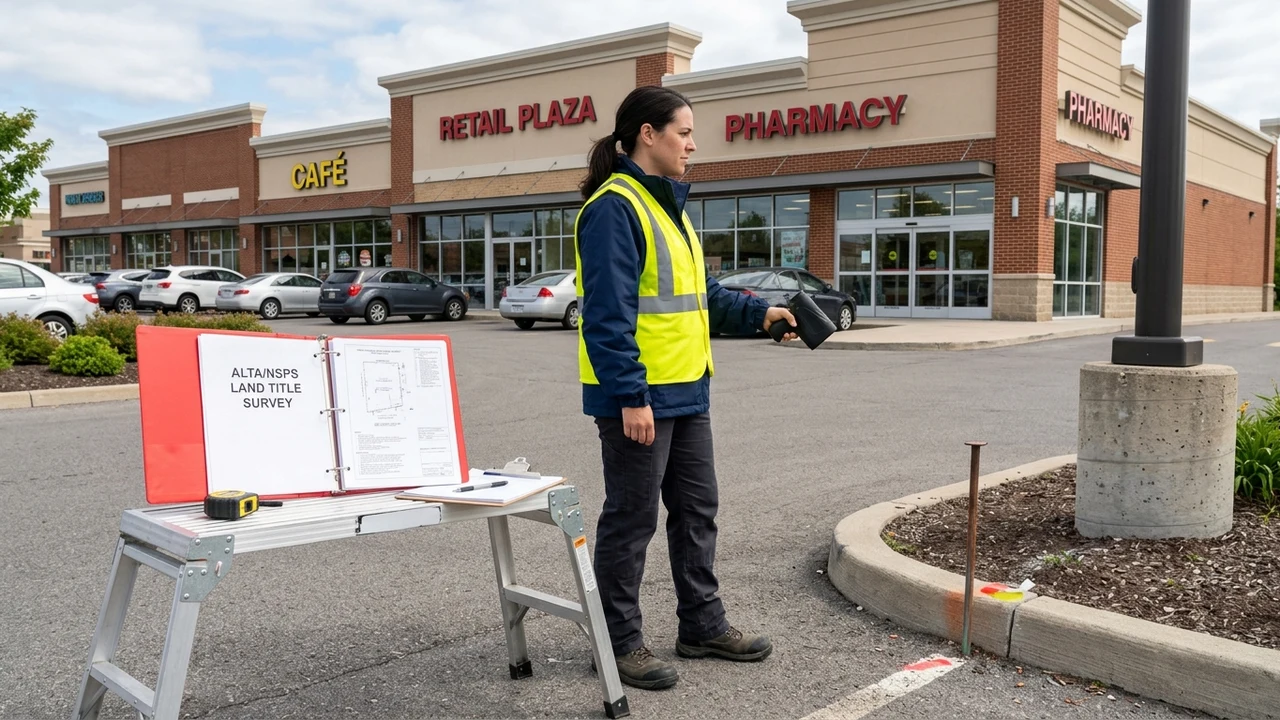
Build the Right Team Before You List
In my professional experience, the sellers who close fast are never doing it alone. They build a small, sharp team before the sign goes up. A good broker, a real-estate lawyer, and an accountant who knows commercial deals will save you far more than they cost. Deals with a full team in place close smoother, plain and simple.
The math is friendly here. In my work, a prepared team trims the average closing by a couple of weeks and cuts surprise costs by a wide margin. The lawyer catches title and contract problems early. The accountant keeps your numbers clean for buyer review. The broker prices it right, markets it well, and keeps every party talking. That teamwork is your shield against delays.
Marketing matters more than people think. A quiet listing draws weak buyers, and weak buyers waste your months. Strong marketing brings serious, funded people to the table, and serious people close. The right team knows how to reach them.
So do not wait for a problem to go find help. Line up your people first. If you are weighing a sale and want a clear plan for your property, let us sit down and map your timeline, your prep list, and your target buyer together. That one conversation often saves months of guessing. You do not have to figure out the whole process alone.
Ready to Sell Without the Long Wait
Selling a commercial property does not have to be a slow, painful grind. Almost every delay we covered comes from the same place. A seller who waited to get ready. Title snags, lease gaps, financing waits, environmental reports, zoning questions. Each one is beatable when you see it coming.
Do the homework before you list. Clean your files. Order the checks. Build your team. Price it with real data. When you prep early, you take control of the clock instead of letting the clock control you. That is the whole secret, and it is not fancy.
I would love to hear where you are in your selling journey. Are you just thinking about it, or is your property already on the market and stuck? Either way, a little prep now can turn months of waiting into a smooth, clean closing. Your future self will thank you.
Frequently Asked Questions
How long does it take to sell a commercial property?
Most commercial sales take about 90 to 180 days from signed contract to closing. Clean files close faster. Messy ones can run past eight months. The market, the loan type, and your prep all shape the final timeline.
What is the most common reason commercial sales fall through?
In my experience, due diligence surprises and buyer financing problems lead the pack. A buyer finds an issue they did not expect, or their loan slows down or dies. Good prep and a funded buyer stop most of these before they start.
Should I get a Phase I environmental assessment before I list?
If your property has any industrial, gas, auto, or dry-cleaning past, yes. The U.S. EPA’s All Appropriate Inquiries rule expects the study within one year of the purchase, with key parts refreshed within 180 days. Doing it early means no last-minute panic and no lost buyer.
Can I sell a commercial property while tenants are still in it?
Yes, and it happens all the time. Just get your lease paperwork clean first. Update the rent roll, gather signed leases, and line up estoppel letters where each tenant confirms their terms. Solid tenant files raise the value buyers see.
What documents should I gather before listing?
Start with 2-3 years of financials, a current rent roll, all leases, service contracts, permit and repair history, and a fresh title search. Keep them in one shared folder. Fast, complete answers keep the deal moving and help you reach the final closing without the long wait.
