

10 Questions to Ask Before Leasing Retail Space
Leasing a retail space is a critical decision for any franchise owner. The right location can boost your business, while the wrong one can create significant challenges. To make an informed choice, it’s essential to ask yourself key questions that ensure the space aligns with your business goals, operational needs, and budget. Here are ten vital questions to consider before leasing a retail space for your franchise.
Table of Contents:
- What is the Prime Location for My Target Audience?
- What is My Budget for Leasing Costs?
- How Much Space Do I Actually Need?
- What are the Terms and Conditions of the Lease Agreement?
- What is the Foot Traffic Like in This Area?
- What is the Competition in the Vicinity?
- What are the Zoning Laws and Regulations?
- Is the Space Adaptable for My Franchise Needs?
- What is the Landlord’s Reputation and Support Level?
- What are the Terms for Ending the Lease?
What is the Prime Location for My Target Audience?

A strategic location can enhance visibility, foot traffic, and overall appeal. Here are key factors to consider when determining the prime location for your target audience:
- Demographic Profile: Understand the demographics of your target audience, including age, income levels, occupation, and lifestyle preferences. For example, a location near universities might be ideal for targeting young professionals and students, while a suburban area might be better for attracting families and older professionals.
- Foot Traffic and Accessibility: Evaluate areas with high foot traffic and easy accessibility. Locations near public transportation hubs, major highways, and pedestrian-friendly zones are often more desirable. Ensure the location is convenient for your target audience to visit frequently.
- Proximity to Complementary Businesses: Consider the presence of complementary businesses that can drive traffic to your property. For instance, a retail business might benefit from being close to restaurants, cafes, and entertainment venues, while an office building might thrive near other corporate offices and business services.
- Neighborhood Development and Growth: Look for areas experiencing growth and development. Emerging neighborhoods with new residential and commercial projects can offer opportunities for future appreciation and increased demand. Stay updated on local development plans and trends.
- Economic and Employment Centers: Identify locations near major economic and employment centers. Proximity to business districts, industrial parks, and corporate headquarters can attract businesses and professionals looking for convenience and networking opportunities.
- Lifestyle and Amenities: Consider the lifestyle preferences and amenities that appeal to your target audience. Areas with parks, recreational facilities, shopping centers, and cultural attractions can be more attractive. For instance, tech-savvy professionals might prefer locations with coworking spaces, gyms, and trendy cafes.
- Competitor Analysis: Analyze the locations of your competitors and their success in those areas. Understanding where similar businesses or properties are thriving can provide insights into prime locations for your target audience.
- Safety and Security: Ensure the area is safe and secure. Locations with low crime rates and a good reputation can attract more tenants or buyers. Safety is a key concern for businesses and individuals when choosing a location.
- Zoning and Regulatory Considerations: Check zoning regulations and other legal considerations. Ensure the location complies with zoning laws, permits, and any other regulatory requirements. This is particularly important for specific business types that may have unique zoning needs.
- Environmental Factors: Consider environmental factors such as climate, pollution levels, and natural disaster risks. Areas with a pleasant climate and minimal environmental risks can be more appealing to your target audience.
By thoroughly assessing these factors, you can identify the prime location that aligns with the preferences and needs of your target audience. This strategic approach will help you attract the right tenants or buyers, enhance the value of your property, and ensure long-term success in the competitive commercial real estate market.
What is My Budget for Leasing Costs?
Determining your budget for leasing costs is a crucial step in securing a commercial space that aligns with your financial capabilities and business goals. To accurately establish your budget, consider the following key factors and steps:
- Assess Your Financial Health:
- Revenue and Profits: Analyze your business’s current revenue streams and profitability. Understand how much income is available to allocate toward leasing costs without jeopardizing other financial commitments.
- Cash Flow: Evaluate your cash flow to ensure you have enough liquidity to cover lease payments and associated expenses.
- Understand Total Leasing Costs:
- Base Rent: Identify the base rent for the commercial space. This is usually quoted as a price per square foot per year or month.
- Common Area Maintenance (CAM) Fees: Include fees for shared spaces and services, such as lobbies, restrooms, and building maintenance.
- Utilities: Estimate costs for utilities such as electricity, water, gas, and internet.
- Insurance: Factor in the cost of property insurance, which may be required by the landlord.
- Property Taxes: Determine if you are responsible for a portion of property taxes.
- Operating Expenses: Consider any additional operating expenses outlined in the lease agreement.
- Calculate the Cost per Square Foot:
- Size of Space: Determine the total square footage of the space you need.
- Total Rent: Multiply the cost per square foot by the total square footage to estimate your annual or monthly rent.
- Consider Lease Terms and Conditions:
- Lease Duration: Longer leases might offer lower monthly rates but require a longer commitment. Balance the benefits of stability against potential changes in your business needs.
- Rent Escalation: Be aware of rent escalation clauses that may increase rent over time. Include these increases in your budget planning.
- Tenant Improvements: If the space requires renovations or improvements, understand who bears these costs and how they impact your budget.
- Include Additional Costs
- Moving Expenses: Account for the cost of moving equipment, furniture, and inventory to the new location.
- Furnishing and Equipment: Budget for any new furnishings or equipment needed for the new space.
- Legal and Broker Fees: Consider costs associated with legal advice for reviewing lease agreements and broker fees for finding the space.
- Set a Contingency Fund
- Unexpected Costs: Allocate a portion of your budget for unexpected expenses, such as emergency repairs or unforeseen increases in operating costs.
- Align with Business Plan
- Growth Projections: Ensure the leasing budget aligns with your business growth projections. Consider whether the space will accommodate future growth or require potential relocation.
- Location Benefits: Evaluate how the location will impact your business operations, customer access, and brand image.
- Seek Professional Advice
- Financial Advisor: Consult with a financial advisor to ensure your leasing budget is realistic and aligns with your overall financial strategy.
- Real Estate Broker: Work with a commercial real estate broker who can provide insights into market rates and help negotiate favorable lease terms.
- Review and Adjust Regularly
- Budget Monitoring: Regularly review your leasing costs against your budget. Adjust as necessary based on changes in your business or market conditions.
By carefully assessing these factors and following these steps, you can establish a comprehensive and realistic budget for leasing costs. This will help you secure a commercial space that meets your needs while maintaining financial stability and supporting your business objectives.
How Much Space Do I Actually Need?
In the dynamic realm of commercial real estate, determining the right amount of space for your business is essential for operational efficiency and future growth. Calculating the appropriate space requires a keen understanding of various factors that influence space requirements. Here are the key factors to consider when determining how much space you actually need:
- Business Type and Operations: Different types of businesses have unique space requirements. Identify the specific needs of your business operations. For example, a retail store, office, restaurant, or warehouse will each have distinct spatial demands. Assess areas required for workstations, customer service, storage, and specialized facilities.
- Employee Count and Workspace: Calculate the space needed per employee. In office settings, a general guideline is 100-200 square feet per employee, which includes individual workspaces and shared areas. For retail businesses, consider space per customer. In industrial settings, account for equipment and workflow needs, which may range from 500-1,000 square feet per employee.
- Specific Area Requirements: Assess the space needed for specific functions:
- Workstations and Offices: Determine the size and number of desks, cubicles, and private offices.
- Meeting Rooms: Calculate space for conference rooms based on the frequency and type of meetings.
- Break Areas: Include employee break rooms, kitchens, and restrooms.
- Customer Areas: Allocate space for sales floors, waiting areas, and customer service desks.
- Storage: Consider storage needs for inventory, supplies, and equipment.
- Specialized Areas: Include any unique areas required by your business, such as laboratories or production areas.
- Future Growth: Plan for future expansion. Anticipate business growth and increase in staff, ensuring that the space can accommodate these changes. Add a buffer to your space calculation for future needs.
- Space Utilization Analysis: Evaluate current space utilization to identify underused areas and inefficiencies. This analysis can help optimize space in the new location.
- Industry Standards: Research space standards within your industry to ensure your calculations align with typical requirements.
- Professional Consultation: Work with architects or space planners to design an efficient layout that maximizes space use. Consult with commercial real estate brokers for insights into market standards and to find suitable properties.
- Calculate Total Space:
- Sum Individual Areas: Add up the square footage required for each area (workstations, meeting rooms, storage, etc.) to get a total.
- Common Areas: Include space for hallways, lobbies, and other shared areas.
Determining the right amount of space for your business requires a detailed analysis of your operational needs, employee requirements, and industry benchmarks. By considering these key factors, you can secure a space that supports efficiency, comfort, and growth, ensuring your business thrives in its new environment.
What are the Terms and Conditions of the Lease Agreement?
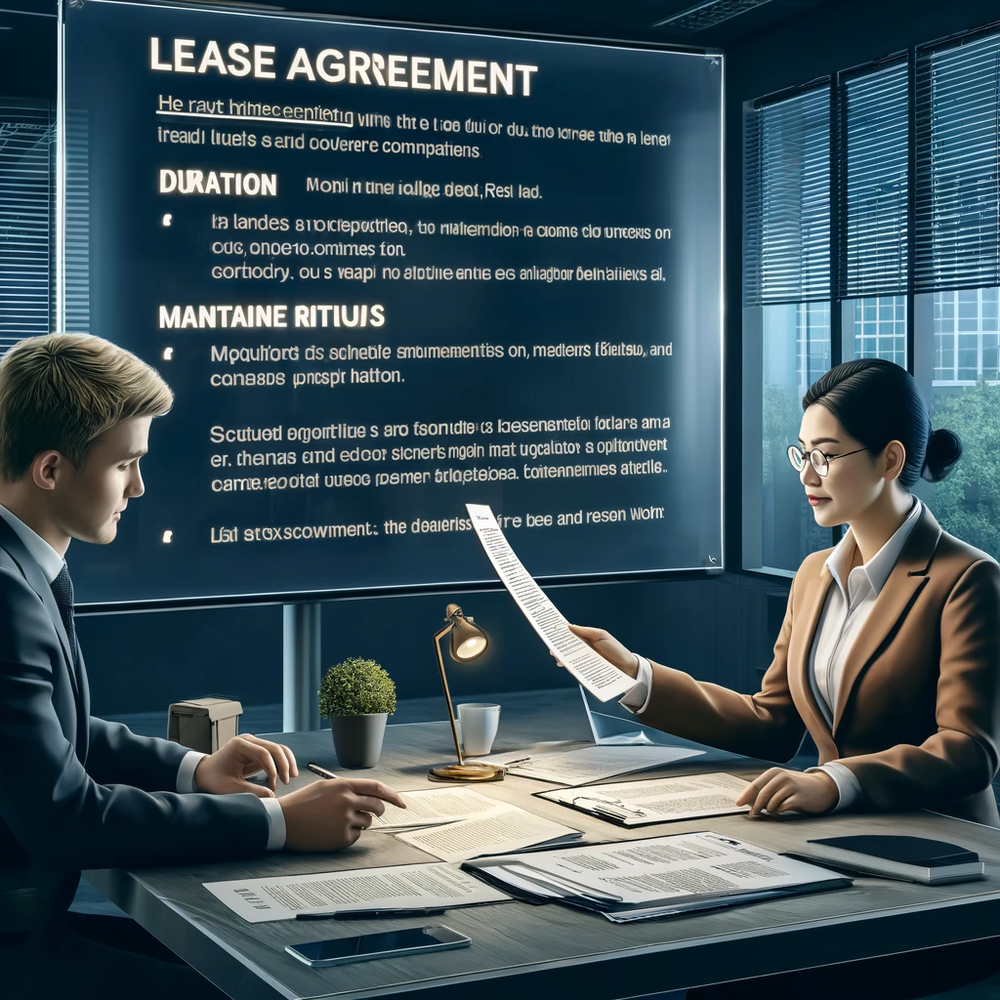
Understanding the terms and conditions of a lease agreement is crucial to ensure that you are aware of your rights and responsibilities as a tenant. A comprehensive lease agreement covers various aspects that dictate the relationship between the landlord and tenant. Here are the key factors to consider when reviewing the terms and conditions of a lease agreement:
- Lease Duration: The term of the lease outlines the start and end dates of the lease period. Consider the length of the lease and any options for renewal. A longer lease term may offer stability but could limit flexibility if your business needs change.
- Rent Amount and Payment Terms: The lease should specify the base rent amount, payment due dates, and acceptable payment methods. Be aware of any rent escalation clauses that may increase the rent over time, and understand how these increases are calculated.
- Security Deposit: Understand the amount required for the security deposit, the conditions under which it will be held, and the circumstances under which it can be refunded or used by the landlord.
- Maintenance and Repairs: The lease should clearly define the responsibilities for maintenance and repairs. Determine whether you or the landlord are responsible for specific maintenance tasks, such as HVAC systems, plumbing, or structural repairs.
- Utilities and Operating Expenses: Clarify which utilities and operating expenses you are responsible for, including electricity, water, gas, and common area maintenance (CAM) fees. Understand how these costs are calculated and billed.
- Alterations and Improvements: Review the terms regarding any alterations or improvements you wish to make to the property. Some leases require landlord approval for changes to the space. Determine who is responsible for the costs associated with these modifications.
- Use of Premises: Ensure the lease specifies the permitted use of the premises and any restrictions. Confirm that the space is suitable for your business activities and that there are no zoning or legal limitations that could impact your operations.
- Insurance Requirements: Understand the insurance requirements stipulated in the lease. This may include liability insurance, property insurance, and any additional coverage required by the landlord.
- Subleasing and Assignment: Review the terms related to subleasing or assigning the lease to another party. Some leases may restrict or require landlord approval for subleasing or transferring the lease.
- Renewal and Termination: Determine the options for renewing or terminating the lease. Understand the notice periods required for either party to terminate the lease and any penalties or fees associated with early termination.
- Default and Remedies: Familiarize yourself with the conditions that constitute a default under the lease and the remedies available to the landlord. This may include late payment fees, eviction processes, and other penalties.
- Common Area Usage: If applicable, understand the rules and regulations regarding the use of common areas, such as lobbies, restrooms, and parking lots. Determine any additional costs associated with common area maintenance.
- Compliance with Laws: Ensure that the lease includes provisions requiring compliance with local, state, and federal laws, including health and safety regulations, zoning laws, and accessibility standards.
- Dispute Resolution: Review the procedures for resolving disputes between you and the landlord. This may include mediation, arbitration, or legal action.
- Signatures and Legal Considerations: Ensure that the lease is signed by both parties and includes all necessary legal information. Consider consulting with a legal professional to review the lease agreement and ensure that your interests are protected.
- Negotiation and Customization: Remember that many lease terms are negotiable. Don’t hesitate to negotiate terms that better suit your business needs, whether it’s a lower rent, more favorable maintenance responsibilities, or flexible renewal options.
Reviewing and understanding the terms and conditions of a lease agreement is essential to safeguard your business interests. By carefully considering these key factors, you can enter into a lease agreement that supports your business operations and growth while minimizing potential risks and liabilities.
What is the Foot Traffic Like in This Area?
Understanding the foot traffic in a particular area is crucial for businesses, especially retail establishments, as it directly impacts potential customer visibility and sales opportunities. Here are key factors to consider when evaluating foot traffic in an area:
- Location: Assess the area’s proximity to major attractions, transportation hubs, residential neighborhoods, and commercial centers. Areas with high pedestrian activity tend to have more foot traffic, offering greater exposure to potential customers.
- Demographics: Understand the demographic profile of the area, including population density, age groups, income levels, and lifestyle preferences. Target areas with demographics that align with your customer base to maximize the effectiveness of foot traffic.
- Time of Day and Day of Week: Analyze foot traffic patterns throughout the day and week. Some areas may experience higher foot traffic during specific times, such as lunch hours, evenings, or weekends. Consider how these patterns align with your business hours and target customer behavior.
- Seasonal Variations: Take into account seasonal fluctuations in foot traffic, such as holidays, festivals, or tourist seasons. Certain times of the year may attract more visitors to the area, providing opportunities for increased sales and visibility.
- Competition: Evaluate the presence of competing businesses in the area. While competition can attract more foot traffic, it may also lead to market saturation and increased competition for customers. Consider how your business can differentiate itself to attract foot traffic despite competition.
- Infrastructure and Accessibility: Consider the area’s infrastructure and accessibility for pedestrians, including sidewalks, crosswalks, parking facilities, and public transportation options. Easy access and convenient amenities can enhance foot traffic flow and encourage customer visits.
- Local Events and Activities: Take note of local events, promotions, and community activities that may impact foot traffic in the area. Participating in or sponsoring such events can increase your business’s visibility and attract potential customers.
- Historical Trends and Data: Utilize historical foot traffic data, if available, to understand trends and predict future patterns. This data can provide valuable insights into seasonal variations, peak hours, and overall trends in foot traffic volume.
- Surveys and Observations: Conduct surveys or observational studies to gather firsthand information about foot traffic in the area. Monitor pedestrian activity, interactions, and behaviors to assess the potential impact on your business.
- Technology and Analytics: Explore the use of technology and analytics tools, such as foot traffic counters or mobile tracking apps, to measure and analyze foot traffic in real time. These tools can provide valuable data for strategic decision-making and marketing efforts.
By thoroughly evaluating these factors, you can gain a comprehensive understanding of the foot traffic in a particular area and make informed decisions about the location of your business. This insight can help maximize visibility, attract potential customers, and ultimately drive sales and business success.
What is the Competition in the Vicinity?
Assessing the competition in the vicinity is essential for understanding the market landscape and positioning your business effectively. Here are key considerations when evaluating competition in the area:
- Direct Competitors: Identify businesses that offer similar products or services to yours within the vicinity. Analyze their offerings, pricing strategies, and customer base to understand your competitive positioning.
- Indirect Competitors: Look beyond direct competitors to identify businesses that may indirectly compete with yours. These could include businesses offering alternative solutions or products that fulfill similar customer needs.
- Market Saturation: Evaluate the density of competing businesses in the area. A high concentration of similar businesses may indicate market saturation and increased competition for customers.
- Unique Selling Proposition (USP): Determine your business’s unique selling proposition or competitive advantage. Consider how your products, services, or brand differentiate you from competitors and appeal to customers.
- Customer Base: Understand the demographics and preferences of the customer base served by competing businesses. Identify opportunities to target underserved or niche market segments that may be overlooked by competitors.
- Pricing and Value Proposition: Compare your pricing strategy and value proposition against competitors. Assess whether your prices are competitive and aligned with customer expectations, and consider how you can differentiate your offerings to justify premium pricing.
- Brand Reputation and Perception: Evaluate the reputation and perception of competing businesses among customers. Consider factors such as brand recognition, customer reviews, and overall brand image in shaping customer preferences.
- Marketing and Promotions: Analyze the marketing strategies and promotions employed by competitors to attract customers. Identify opportunities to differentiate your marketing efforts and capitalize on gaps or weaknesses in competitors’ strategies.
- Accessibility and Convenience: Consider the accessibility and convenience factors that impact customer choice. Evaluate factors such as location, parking facilities, and proximity to public transportation in influencing customer traffic and preferences.
- SWOT Analysis: Conduct a SWOT (Strengths, Weaknesses, Opportunities, Threats) analysis to assess your business’s competitive position relative to competitors. Identify areas of strength to leverage, weaknesses to address, opportunities to pursue, and threats to mitigate.
- Adaptability and Innovation: Stay abreast of market trends and innovations in your industry. Identify opportunities to adapt your offerings or introduce new products/services to stay ahead of competitors and meet evolving customer needs.
- Collaboration and Partnerships: Explore collaboration opportunities with complementary businesses in the vicinity. Partnering with non-competing businesses can expand your reach, attract new customers, and create mutually beneficial relationships.
By thoroughly evaluating the competition in the vicinity, you can develop a strategic understanding of your market position and identify opportunities to differentiate your business, attract customers, and achieve sustainable growth in a competitive market environment.
What are the Zoning Laws and Regulations?
Zoning laws and regulations play a critical role in determining how land and buildings can be used within a specific area. Understanding these laws is essential for businesses to ensure compliance and avoid potential legal issues. Here are key considerations regarding zoning laws and regulations:
- Zoning Designations: Familiarize yourself with the zoning designations assigned to the area where your business is located or where you plan to operate. Zoning designations categorize land for different uses, such as residential, commercial, industrial, or mixed-use.
- Permitted Uses: Determine the permitted uses allowed within the zoning designation where your business is located. Ensure that your business activities comply with these permitted uses to avoid zoning violations and potential penalties.
- Restrictions and Limitations: Be aware of any restrictions or limitations imposed by zoning laws, such as building height restrictions, setback requirements, parking regulations, signage limitations, and noise ordinances. These restrictions can impact your business operations and property development plans.
- Zoning Variances and Special Exceptions: Understand the process for obtaining zoning variances or special exceptions if your business activities do not fully comply with zoning regulations. This may involve applying for permits or seeking approval from local zoning authorities.
- Zoning Changes and Amendments: Stay informed about proposed zoning changes or amendments that could affect your business. Participate in public hearings and community meetings to voice your opinions and concerns regarding proposed zoning changes that may impact your business interests.
- Historic Preservation Regulations: If your business is located in a historic district or involves a historic building, be aware of any additional zoning regulations related to historic preservation. These regulations may impose restrictions on alterations, renovations, or demolitions of historic structures.
- Environmental Regulations: Consider environmental regulations that may affect your business operations, such as zoning requirements related to environmental protection, conservation areas, wetlands, or floodplains. Ensure compliance with these regulations to avoid environmental liabilities.
- Consultation with Zoning Authorities: Consult with local zoning authorities or planning departments to clarify any questions or concerns regarding zoning laws and regulations. Zoning officials can provide guidance on specific zoning requirements and procedures for obtaining permits or approvals.
- Legal Assistance: Consider seeking legal assistance from attorneys specializing in land use and zoning law to ensure compliance with zoning regulations and navigate any zoning-related issues effectively. Legal professionals can provide valuable advice and representation in zoning matters.
- Due Diligence: Conduct due diligence when selecting a location for your business to assess zoning laws and regulations thoroughly. Consider hiring professionals, such as land use consultants or real estate agents, to assist with zoning research and analysis.
By understanding and complying with zoning laws and regulations, businesses can operate legally and responsibly within their respective jurisdictions. Failure to comply with zoning requirements can result in costly fines, legal disputes, and disruptions to business operations. Therefore, it is essential for businesses to prioritize zoning compliance and stay informed about any changes or updates to zoning regulations that may affect their operations.
Is the Space Adaptable for My Franchise Needs?

When considering a space for your franchise, adaptability is key to ensuring that the location meets the specific requirements and standards set by your franchise brand. Here are important factors to consider when assessing whether a space is adaptable for your franchise needs:
- Franchise Specifications: Review the franchise specifications and guidelines provided by your franchisor. These documents outline the specific requirements for site selection, layout, size, design, branding, signage, and operational standards that must be met by all franchise locations.
- Space Layout and Configuration: Evaluate the layout and configuration of the space to determine if it can accommodate the necessary features and functions required by your franchise concept. Consider factors such as the floor plan, interior space, ceiling height, room divisions, and utility connections.
- Building Infrastructure: Assess the building infrastructure to ensure that it can support the operational requirements of your franchise. This includes HVAC systems, electrical wiring, plumbing, lighting, ventilation, and fire safety systems. Verify that the infrastructure is in good condition and meets regulatory standards.
- Accessibility and Visibility: Consider the accessibility and visibility of the space to customers and passersby. Evaluate factors such as location, proximity to major roads or highways, foot traffic, parking availability, and signage opportunities. A highly visible and easily accessible location can enhance the visibility and profitability of your franchise.
- Zoning and Permits: Verify that the space complies with local zoning regulations and building codes applicable to your franchise business. Obtain necessary permits and approvals for zoning, signage, occupancy, and any renovations or modifications required to adapt the space to your franchise needs.
- Lease Terms and Flexibility: Review the lease terms and conditions to ensure that they align with your franchise requirements and provide the flexibility needed to operate your business successfully. Consider factors such as lease duration, renewal options, rental rates, tenant improvements, and exit clauses.
- Tenant Improvement Allowance: Negotiate with the landlord for a tenant improvement allowance or incentives to fund renovations or modifications needed to adapt the space to your franchise specifications. Ensure that any improvements or alterations are approved by your franchisor and comply with franchise standards.
- Brand Compliance: Ensure that the space meets the branding and image standards set by your franchisor. This includes exterior signage, interior decor, color schemes, branding elements, and logo placement. Adherence to brand standards is essential for maintaining consistency and brand identity across all franchise locations.
- Future Expansion and Growth: Consider the potential for future expansion and growth of your franchise business when selecting a space. Evaluate whether the space can accommodate future needs, such as increased capacity, additional services, or product offerings, to support long-term business growth.
By carefully assessing these factors, you can determine whether a space is adaptable for your franchise needs and meets the requirements set by your franchisor. Choosing the right space that aligns with your franchise specifications and supports your business objectives is essential for the success and profitability of your franchise operation.
What is the Landlord’s Reputation and Support Level?
Assessing the landlord’s reputation and level of support is crucial for ensuring a positive and mutually beneficial landlord-tenant relationship. Here are key considerations when evaluating the landlord’s reputation and support level:
- Tenant Feedback: Seek feedback from current or former tenants of the landlord to gauge their experiences and satisfaction levels. This can provide valuable insights into the landlord’s responsiveness, professionalism, and willingness to address tenant concerns.
- Online Reviews and Ratings: Research online reviews and ratings of the landlord or property management company to assess their reputation and track record. Pay attention to recurring themes or patterns in reviews, both positive and negative, to understand the landlord’s strengths and areas for improvement.
- Property Maintenance: Evaluate the landlord’s track record in property maintenance and upkeep. A reputable landlord will prioritize regular maintenance, repairs, and improvements to ensure that the property is well-maintained and complies with safety and quality standards.
- Communication and Responsiveness: Assess the landlord’s communication style and responsiveness to tenant inquiries, requests, and concerns. A responsive landlord who maintains open lines of communication can help address issues promptly and foster a positive tenant-landlord relationship.
- Lease Negotiation Process: Consider the landlord’s approach to lease negotiations and flexibility in accommodating tenant needs. A supportive landlord who is willing to negotiate lease terms and address tenant requirements demonstrates a commitment to fostering a mutually beneficial relationship.
- Tenant Support Services: Inquire about the availability of tenant support services provided by the landlord, such as property management, maintenance staff, security services, and emergency response protocols. A proactive landlord who invests in tenant support services can enhance the overall tenant experience and satisfaction.
- Financial Stability: Assess the financial stability of the landlord or property management company to ensure their ability to maintain the property and fulfill lease obligations. A financially stable landlord is more likely to invest in property improvements and address tenant needs effectively.
- Legal and Regulatory Compliance: Verify that the landlord complies with legal and regulatory requirements related to property management, leasing, and tenant rights. A reputable landlord will adhere to legal obligations and ethical standards in all aspects of property management.
- Tenant Retention Rate: Consider the tenant retention rate for properties managed by the landlord as an indicator of tenant satisfaction and the landlord’s ability to retain tenants over time. A high tenant retention rate suggests that the landlord values tenant relationships and provides a positive leasing experience.
- Professional Reputation: Evaluate the landlord’s professional reputation within the local real estate community and industry associations. A landlord with a positive professional reputation is more likely to uphold high standards of integrity, professionalism, and ethical conduct.
By thoroughly evaluating the landlord’s reputation and support level, you can make an informed decision when selecting a commercial property and entering into a lease agreement. A supportive and reputable landlord can contribute to a positive leasing experience and contribute to the long-term success of your business.
What are the Terms for Ending the Lease?
Understanding the terms for ending the lease is essential for tenants to plan for the future and avoid potential disputes with landlords. Here are key considerations regarding lease termination terms:
- Lease Duration: Review the lease agreement to determine the initial term of the lease and any renewal options. Understand when the lease term ends and whether there are automatic renewal provisions or options to extend the lease.
- Notice Period: Check the lease agreement for provisions regarding the notice period required for terminating the lease. Typically, tenants are required to provide advance notice to the landlord before the lease can be terminated. The notice period may vary depending on local laws and lease terms.
- Early Termination Clause: Determine if the lease includes an early termination clause that allows tenants to end the lease before the expiration of the initial term. Understand the conditions, requirements, and potential penalties associated with exercising the early termination option.
- Break Clause: Some leases may include a break clause that allows tenants to terminate the lease at specific intervals, such as midway through the term. Review the break clause provisions, including notice requirements and any penalties or conditions for exercising the break option.
- Mutual Agreement: In some cases, tenants and landlords may mutually agree to terminate the lease before the expiration of the initial term. Ensure that any agreements for early termination are documented in writing and signed by both parties to avoid misunderstandings or disputes.
- Lease Assignment or Subletting: Consider options for assigning or subletting the lease to another party if you need to end the lease early. Check the lease agreement for provisions regarding lease assignment or subletting and understand the landlord’s approval process and requirements.
- Lease Buyout: Some leases may allow tenants to negotiate a lease buyout with the landlord, where the tenant pays a fee or compensation to terminate the lease early. Evaluate the financial implications and terms of the lease buyout option before pursuing this option.
- Tenant Responsibilities: Ensure that you fulfill all tenant responsibilities and obligations under the lease agreement before terminating the lease. This may include paying rent, utility bills, maintenance costs, and any other obligations outlined in the lease.
- Security Deposit and Damages: Understand the process for refunding the security deposit and resolving any damages or outstanding payments before the lease termination. The lease agreement should specify the conditions under which the security deposit will be refunded or used to cover damages.
- Legal Considerations: Consult with legal professionals or tenant advocacy organizations to understand your rights and obligations regarding lease termination under local laws and regulations. Ensure that you comply with legal requirements and protect your interests when ending the lease.
By understanding the terms for ending the lease and following the appropriate procedures, tenants can terminate the lease in a timely and compliant manner, minimizing potential disputes and legal issues with landlords. It is essential to review the lease agreement carefully and seek legal advice if necessary to ensure that you understand your rights and obligations regarding lease termination.
Choosing the right retail space for your franchise is a decision that requires careful consideration and thorough research. By asking yourself these ten key questions, you can ensure that the space you select aligns with your business goals, meets your operational needs, and fits within your budget. This thoughtful approach will help you avoid common pitfalls and set a solid foundation for your franchise’s success. With the right location, you can enhance your business’s visibility, attract your target audience, and foster long-term growth.
Make the Right Choice for Your Franchise – Let’s Find the Perfect Retail Space Together!
Leasing the right retail space is a game-changer for your franchise. Don’t leave it to chance—ensure your location aligns with your business goals, budget, and operational needs. Our expert team is here to guide you through every step, from site selection to lease negotiation. Contact us today at 502-536-7315 or email raphael@sumcg.com to secure the ideal space for your franchise’s success!
