

Utility bills tell a story most buyers skip. That skip can cost you real money. Power, water, and gas bills show how a building truly runs each month. They point to hidden repairs, wasted energy, or a smart, well-kept property. Read them right, and you buy with open eyes.
Why utility bills matter more than most buyers think
When I look at a commercial building, the bills are the first thing I ask for. Not the paint. Not the lobby. The bills. In my experience, utility costs eat up about 20% to 30% of a building’s yearly operating budget. That is a big slice. A pretty building with ugly bills is still a money pit.
Here is the part buyers miss. The seller shows you the good stuff. The utility history shows you the truth. Numbers do not lie the way a fresh coat of paint can. In my work, about 8 out of 10 buildings I walk have at least one utility surprise hiding in the paperwork. Sometimes it is small. Sometimes it changes the whole deal.
Think of the bills as a health report for the building. A steady, low bill often means good systems and tight walls. A high or jumpy bill often means trouble. That trouble can be an old HVAC unit, a slow water leak, or poor lighting. These are the heating and cooling machines and the lights that run all day, and they burn the most power.
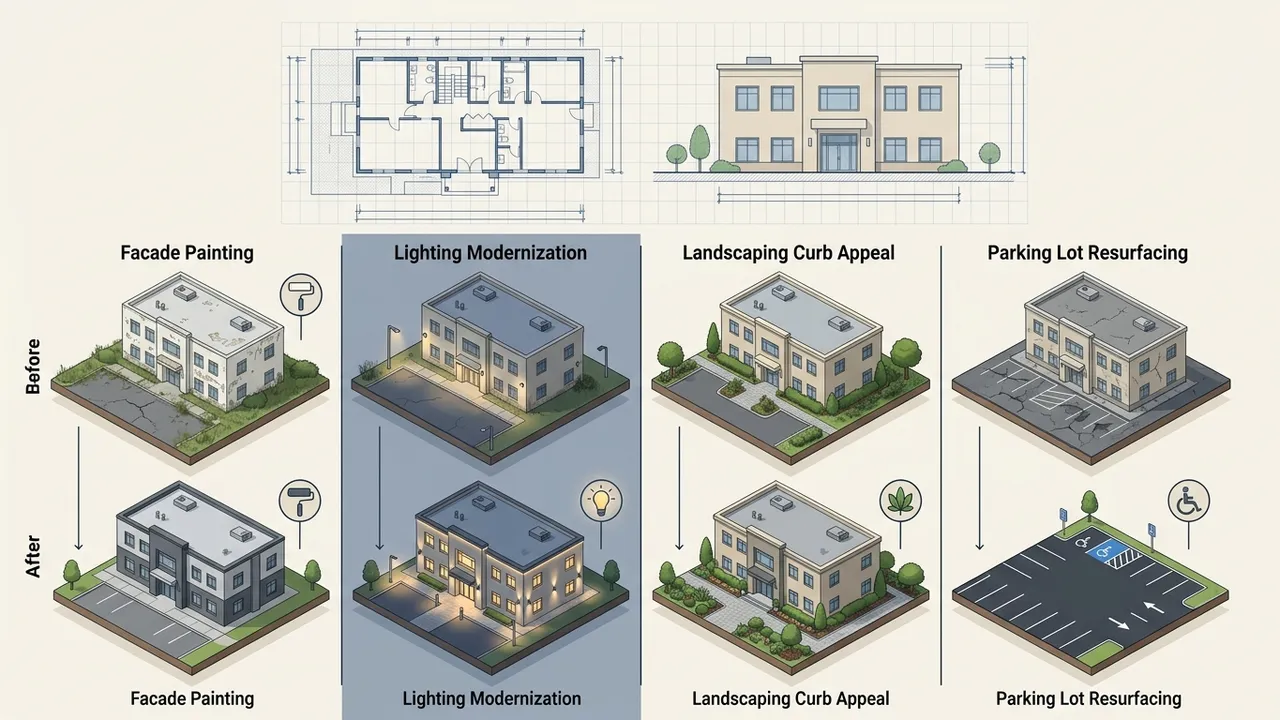
Skipping this step is like buying a used car without checking the engine. You might get lucky. You might not. A gap of even $1 to $2 per square foot each year adds up fast on a big building. If you want to see how these numbers feed your returns, a clear cash flow analysis for the property will show you exactly where the money goes.
What utility costs actually tell you about a building
In our field work, I’ve found that the bills reveal more about a building’s bones than most inspections do. I once reviewed a small retail plaza where the power bill was almost double the plaza next door. Same size. Same street. The gap pointed us straight to a dying HVAC system that the seller never mentioned. We caught it before closing.
Utility costs act like a window into the building’s real condition. High energy use often means old equipment, weak insulation, or systems left running when nobody is there. Low, steady use often means good upkeep. In my reviews, buildings with modern systems tend to run 15% to 25% cheaper per square foot than the tired ones. That gap is money in your pocket every single year.
The bills also show you how the building is really used. A restaurant burns power in a different pattern than an office. A warehouse uses very little water. When the pattern does not match the building type, I get curious. Odd patterns often mean a hidden problem, a bad tenant setup, or a billing mistake worth chasing down.
Water bills deserve their own look. A quiet leak can waste thousands of gallons and never show up to the eye. I’ve seen a single running toilet flush away real cash over a year. If the water bill climbs while the use should be flat, that is a signal. Small signals like this are how good buyers dodge bad buildings.
The three bills every buyer should read closely
Every building hands you three main bills to study. Each one speaks a different language. Once you learn to read them, you spot problems early. You also spot the good deals faster than other buyers who only look at the price tag.
The electric bill is the loudest. It covers lighting, cooling, plug loads, and often heating too. A high bill can mean old lights, a weak roof, or an HVAC unit past its prime. In my reviews, replacing old lights alone can cut a lighting bill by close to 50%, so a high number is not always bad news. Sometimes it is a chance.
The water bill is the quiet one. Most buyers ignore it. That is a mistake. A steady water bill is normal. A rising one, with no new tenants, points to leaks or old fixtures. The gas bill tells the heating story. In a cold Kentucky winter, a leaky building will show a gas bill that spikes hard from December through February.

Here is a simple guide I share with buyers before they make an offer:
| Bill | What to check | What it may reveal |
|---|---|---|
| Electric | Monthly swings, summer peaks | Weak HVAC, old lighting, poor insulation |
| Water | Steady vs. rising use | Hidden leaks, old toilets, waste |
| Gas | Winter spikes, base load | Drafty walls, aging heat, bad windows |
Read all three together, not one at a time. One high bill might be a fluke. Three that point the same way tell a real story. This is where a full commercial property inspection checklist pairs perfectly with the bills, because the paper and the walk-through confirm each other.
How I read a building’s utility history before an offer
I’ve handled cases exactly like this many times, and my rule is simple: I want at least 12 to 24 months of bills before I trust any number. One month tells you almost nothing. A full year shows the summer and winter swings. Two years shows me if a problem is getting worse or holding steady. Sellers who only hand over one bill make me nervous.
First, I line up the bills month by month. I look for the pattern. Summer power should rise with cooling. Winter gas should rise with heat. When a bill jumps in a month it should not, I flag it. In my reviews, a single odd spike explains a real repair about 7 times out of 10. The bill remembers what the seller forgot.
Next, I break the cost down per square foot. This lets me compare buildings of different sizes fairly. A $2.50 per square foot power cost and a $1.20 cost are two very different buildings, even at the same price. I keep a running average in my head from past deals, so odd numbers jump out fast.
Then I match the bills to the leases. Who pays for what changes everything. If tenants cover their own power, the owner’s risk drops. If the owner pays it all, every leaky window becomes your problem. Before you buy, it pays to evaluate the tenant leases carefully so you know exactly which costs land on your desk.
Who pays the utilities? Your lease type decides
This is the part that trips up first-time buyers the most. The building might have high bills, but if the tenants pay them, your risk is much lower. The lease type is the key. Get this wrong, and you can buy a building thinking you owe little, then learn you owe a lot.
There are two common setups. In a triple net lease, often called NNN, the tenant pays the taxes, the insurance, and most of the upkeep, including many utility costs. In a gross lease, the owner pays most of it and the tenant just pays rent. In my deals, the gap between these two can swing your yearly cost by thousands of dollars on a mid-size building.
Here is a quick way to see the difference:
| Lease type | Who pays utilities | Buyer’s risk |
|---|---|---|
| Triple net (NNN) | Mostly the tenant | Lower, more steady |
| Gross | Mostly the owner | Higher, less steady |
| Modified gross | Split between both | Depends on the terms |
Know which one you are buying into. A building with high bills and a gross lease is a bigger gamble than the same building with an NNN lease. If you are still learning these terms, my guide on the difference between NNN and gross leases breaks it down in plain words. The lease and the bills must be read as one story, never apart.
Red flags in utility costs that should make you slow down
I’ve seen this pattern many times in my work: the deal looks clean, but the bills are waving red flags nobody wants to read. Old systems hide behind fresh paint. High bills hide behind a low asking price. My job is to spot the warning signs before the ink dries. Some are loud. Some are quiet.
The biggest red flag is waste, and the numbers back this up. According to the EPA’s ENERGY STAR program, the average commercial building wastes about 30% of the energy it uses. Thirty percent. That is a huge leak of cash, and most of it hides in HVAC, lighting, and controls left running around the clock. When I see high bills, I assume some of that waste is baked in.
Heating and cooling deserve extra care because they drive the biggest costs. According to the U.S. Energy Information Administration, space heating alone makes up about 32% of all energy used in U.S. commercial buildings, with ventilation and lighting each near 10%. So when a gas bill spikes every winter, the heating system is the first place I look. In our Ohio Valley climate, weak heat shows up fast.
Watch for these warning signs when you read the bills:
- Bills that jump for no clear reason, month to month
- A water bill that climbs while use should be flat
- Summer power costs that seem far too high for the size
- No submetering, so every tenant‘s waste lands on you
- Missing bills, or a seller who shares only one or two months
Here is how I sort the common problems I find:
| Warning sign | Likely cause | What to do |
|---|---|---|
| Winter gas spike | Old heat, drafty walls | Check HVAC age, get a bid |
| Rising water bill | Leak or old fixtures | Inspect pipes and toilets |
| High summer power | Weak cooling, old lighting | Price an upgrade |
| Flat, low bills | Good upkeep | A green light to move ahead |
Turning utility data into a better price
Good numbers are power at the table. Once you know a building wastes energy or hides an old HVAC unit, you have real reasons to ask for a lower price. Sellers argue with feelings. They struggle to argue with their own bills. This is where careful reading turns into cash saved.
I use a simple move. I add up the repairs and the wasted energy over the years I plan to hold the building. If I find $40,000 in likely fixes and waste, that number goes on the table. In my deals, well-backed utility findings shave real dollars off the price more often than not. The seller handed me the proof without meaning to.
You can also use bills to plan your first-year budget. If the power bill runs $30,000 a year and I can cut it by a third with better lights and controls, that saving raises the building’s value the day I fix it. Buyers who see that upside win the deals other buyers walk away from. The bills are not just a warning. They are a map.
Bring your findings early, not late. The best time to talk price is before you are emotionally sold on the place. When you negotiate the purchase price, let the bills do the talking. If you want a second set of eyes on the numbers before you make an offer, we can sit down and walk the bills together, line by line.
Smart upgrades that lower utility costs after closing
In our field work, the best deals are buildings with high bills you can fix cheaply. Waste is opportunity if you know what to change. After closing, a few smart moves can drop your utility costs fast. Some cost little. Some pay for themselves in a year or two. Here is what I push my buyers toward first.
Start with the easy wins. The EPA’s ENERGY STAR program reports that low-cost and no-cost steps can cut a building’s energy use by up to 30%. That means better schedules, sealed gaps, and smarter controls, not just big machines. New LED lighting is often the first upgrade I suggest, since it can cut a lighting bill by close to half and lasts for years.
Water is a quiet place to save real money. According to the EPA’s Water Sense program, modern commercial toilets use 1.28 gallons per flush, about 20% less than the old 1.6 gallon standard. Swap old fixtures, fix leaks, and the water bill drops without hurting a single tenant. It is one of the cheapest fixes with the fastest payback.
Submetering is a favorite of mine. A submeter is a small meter that measures each tenant‘s own use, so they pay for what they burn. This one change makes tenants careful overnight. Bigger moves, like a new high-efficiency HVAC system or rooftop solar, cost more but can reshape the bills for good.
Here are the upgrades I rank highest for most buyers:
| Upgrade | What it does | Typical payoff |
|---|---|---|
| LED lighting | Cuts light power use | Fast, often under 2 years |
| Submetering | Tenants pay their own use | Quick, changes habits |
| Water fixtures | Lowers water waste | Fast and cheap |
| High-efficiency HVAC | Cuts the biggest cost | Slower, big long-term win |
| Solar panels | Makes your own power | Long, but steady savings |
A simple utility due-diligence checklist for buyers
Let me give you a plan you can actually use. Before you buy any commercial property, run through this short list. It takes a day or two, not weeks. In my work, buyers who follow a list like this dodge bad deals far more often than those who wing it. A little effort here saves big pain later.
Ask for and study these items before you sign anything:
- 12 to 24 months of electric, water, and gas bills
- The cost per square foot for each utility
- The lease type, so you know who pays what
- The age of the HVAC, roof, and windows
- Any past repair records tied to the systems
- Whether submetering is already in place
Then match the bills to the building. Does the power use fit the building type? Does the water use make sense for the number of people inside? When the story does not add up, keep digging. In my reviews, mismatched numbers hide a real problem about 7 out of 10 times, so trust your gut and the math.
Finally, put a dollar value on what you find. Add up the likely fixes and the wasted energy. That number shapes your offer and your first-year budget. If you are ready to buy a commercial property in Louisville and want help reading the bills the right way, we can go through the full history with you before you commit.
The takeaway for buyers
Utility costs are not boring paperwork. They are a truth serum for the building. They show you the hidden repairs, the wasted energy, and the real cost of owning the place. The best buyers I know read the bills as closely as they read the price. That habit alone has saved my clients real money, deal after deal.
So do not rush past the numbers. Get the full bill history. Break it down per square foot. Match it to the leases and the building type. Look for the red flags, then use what you find to buy smarter and pay less. A building that wastes 30% of its energy is not just a warning. It is a chance to add value the day you own it.
The bills reveal what words hide. Learn to read them, and you will buy with confidence instead of hope. If you want a partner to walk the utility history and the whole deal with you, my team is glad to help. Have you checked the bills on your last building? I’d love to hear what you found.
Frequently Asked Questions
What utility costs should I ask for before buying a commercial property?
Ask for at least 12 to 24 months of electric, water, and gas bills. One month is not enough. A full year shows the summer and winter swings, and two years shows if a problem is growing. If a seller shares only one or two bills, treat that as a warning sign and dig deeper before you make an offer.
Can high utility bills lower the price I pay?
Yes, and they often do. When the bills prove an old HVAC unit or wasted energy, you have real reasons to ask for less. I add up the likely repairs and the waste over the years I plan to hold, then bring that number to the table. Sellers find it hard to argue with their own bills, so this data can shave real dollars off the price.
Who pays the utilities, the owner or the tenant?
It depends on the lease. In a triple net, or NNN lease, the tenant pays taxes, insurance, and most upkeep, including many utility costs. In a gross lease, the owner pays most of it. This one detail can swing your yearly cost by thousands of dollars, so always read the lease and the bills together.
What is submetering and do I need it?
Submetering means each tenant has a small meter that tracks their own use. So they pay for the power or water they actually burn, not a flat share. It makes tenants careful and protects you from paying for someone else’s waste. In most multi-tenant buildings, I see it as one of the smartest low-cost upgrades you can add.
How much can energy upgrades save on a commercial building?
Quite a lot. The EPA’s ENERGY STAR program reports that low-cost and no-cost steps can cut a building’s energy use by up to 30%. New LED lighting can nearly halve a lighting bill, and water fixture swaps cut water waste by around 20%. Bigger moves like high-efficiency HVAC or solar cost more but keep saving for years.
