

You own a commercial building. It has good tenants. They pay rent every month, and their lease still has years left. Now you want to sell. But wait, can you even sell with people still renting inside? Yes, you can. And often, those long-term tenants make your property worth more, not less.
What Does It Mean to Sell Commercial Property With Long-Term Tenants?
Selling commercial property with long-term tenants means you pass the building to a new owner while the renters stay put. The leases do not end just because you sold. The new buyer steps into your shoes as the landlord. They collect the rent, and they follow the same terms you signed.
Think of it like selling a house with people already living in it. The keys change hands, but the deal with the renters stays the same. In my work with owners across Louisville, I’ve seen this confuse a lot of first-time sellers. They think tenants must leave first. They don’t.
This kind of sale is common. In fact, roughly 8 out of 10 commercial deals I handle involve at least one tenant already in place. The income those renters bring is a big part of what makes the property attractive. A building full of paying tenants is easier to sell than an empty one, most of the time.
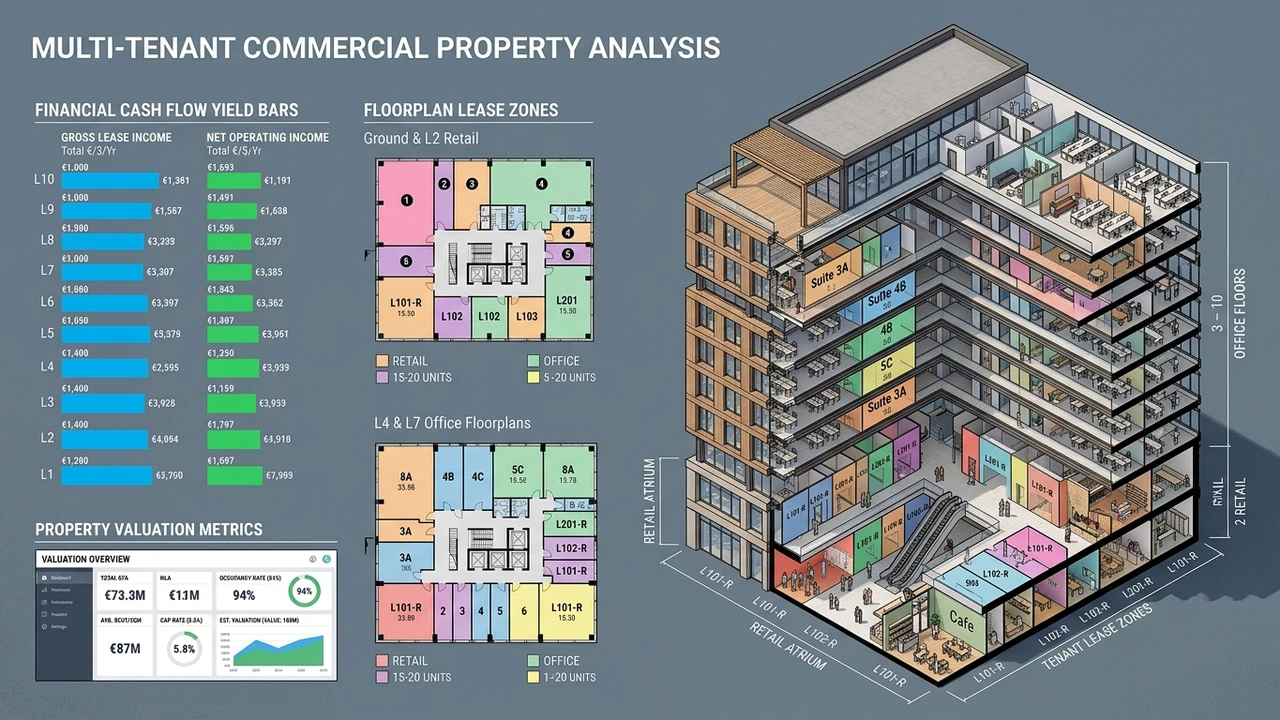
The main thing to know is simple. The lease is a legal promise. It follows the building, not the person who owns it. So before you list, you need to understand what your leases say and how they shape your sale.
Should You Sell or Keep Leasing?
In our field work, I’ve found that this one question stops more owners in their tracks than any other. You have to weigh steady rental income against a one-time payout. Both are good. But they serve very different goals.
Here is the honest truth. If your tenants are strong and your rents are rising, keeping the property might pay you more over years. But if you need capital now, or you’re tired of management headaches, selling makes sense. About 60% of the sellers I meet choose to sell because they want to free up cash for a new investment.
Let me break the choice down in plain terms:
- Keep leasing if you like steady monthly income and your property value keeps climbing.
- Sell if you want a lump sum, want to lower your risk, or want to move into a different investment.
- Sell if management feels like too much work and you’d rather not deal with repairs and complaints.
- Keep if the market is soft and rates are high, since buyers may offer less right now.
| Factor | Keep Leasing | Sell the Property |
|---|---|---|
| Cash today | Low (monthly rent only) | High (full sale price) |
| Long-term income | Steady and growing | Ends at closing |
| Risk level | Higher (vacancy, repairs) | Lower after sale |
| Effort | Ongoing management | One-time process |
There’s no single right answer. Your decision depends on your money goals, your age, and how much you enjoy being a landlord. If you want help comparing both paths side by side, our commercial property cash flow analysis guide can help you see the real numbers before you choose.
How Long-Term Leases Change Your Property’s Value
Long-term leases can push your value up or hold it down. It all depends on the terms and the tenant quality. A strong renter on a ten-year deal is like gold. A weak renter with a below-market rent can scare buyers away.
Here’s why. Buyers buy commercial property for the income. They look at how much rent comes in and how safe that rent is. A building with a national chain paying on time for 10 years feels safe. That safety can add a premium of 5% to 15% to your asking price, based on deals I’ve closed.
But there’s a flip side. If you locked a tenant into a low rent back when the market was weak, that hurts you now. The buyer sees they can’t raise the rent for years. They will pay less. So the age and rates of your leases matter as much as who signed them.
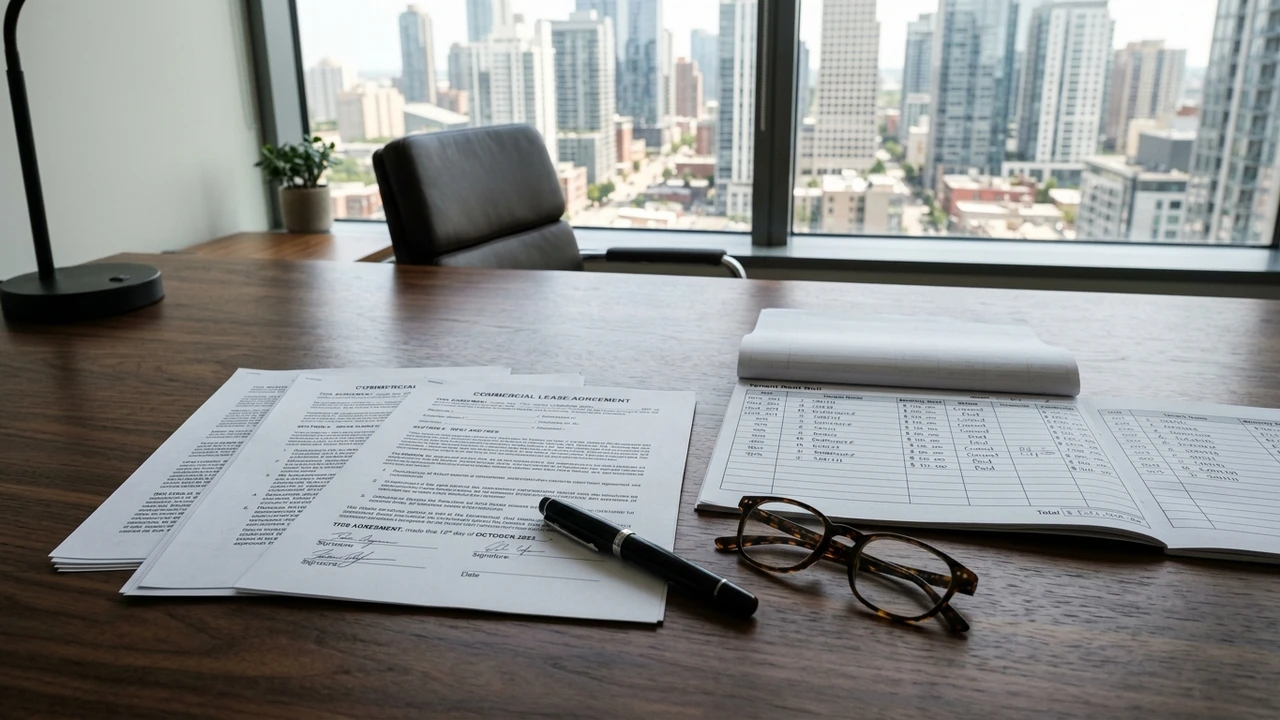
The type of lease matters too. A triple-net (NNN) lease means the tenant pays taxes, insurance, and repairs. That’s a clean, easy income stream buyers love. A gross lease means you, the owner, cover those costs. If you want to understand the gap between these two, the NNN vs gross lease buyer guide lays it out in simple words.
What Buyers Really Look For
I’ve handled cases exactly like this before, and the pattern never changes. Buyers don’t just look at the walls and the roof. They study your tenants like a detective. They want proof the income is real and will keep coming.
Most serious buyers ask for the same things every time. Give them clean paperwork and you speed up the sale. In my records, deals with organized lease files close about 30% faster than messy ones. Here’s what they dig into:
- The full lease for each tenant, including start and end dates.
- The rent amount and any planned increases.
- Security deposits you’re holding.
- Payment history, to check who pays late.
- Any special conditions, like renewal options or early exit clauses.
Buyers also want to know about the tenant’s financial health. Is the business doing well? Will it survive the lease term? A shaky tenant is a risk, and risk lowers the price. Before you list, it’s smart to review each lease the way a buyer would. Our page on how to evaluate tenant leases before buying property shows the exact checklist buyers use, and reading it helps you fix weak spots early.
Honestly, the sellers who prepare this stuff ahead of time win. They look organized. They build trust. And trust closes deals.
The Role of Estoppel Certificates and Lease Reviews
An estoppel certificate sounds fancy, but it’s simple. It’s a short letter your tenant signs that confirms the lease terms are true. It says the rent is correct, the deposit is right, and there are no secret side deals. The buyer asks for this to feel safe.
Why does it matter so much? Because the buyer can’t just trust your word. They need the tenant to confirm it. In about 90% of the sales I’ve guided, the buyer required signed estoppel letters before closing. No letter, no deal, in many cases.
Here’s a small lesson I learned the hard way. Get these letters early. Some tenants drag their feet for weeks. If you wait until the last minute, you can delay the whole sale. Ask your renters to sign soon after you accept an offer. It keeps things moving.
A full lease review goes hand in hand with this. You and your agent read every page. You look for anything odd, like a tenant who can leave early or one who controls a big chunk of the building. Catching these things early saves you from ugly surprises at the closing table.
How to Prepare Your Leases Before Listing
In our field work, I’ve found that the prep work you do before listing decides how smooth the sale goes. Sloppy leases cost you time and money. Clean ones bring stronger buyers and better offers.
Start by gathering every document in one folder. Digital is best. When a buyer asks for a file, you send it in minutes, not days. Fast replies signal a serious seller, and I’ve seen quick sellers get offers 20% sooner than slow ones. Here’s your simple prep list:
- Collect all signed leases and any changes made to them over the years.
- List each tenant, their rent, and their end date on one clear sheet.
- Note all security deposits and where that money sits.
- Fix any missing signatures or expired paperwork now.
- Write down renewal options, so the buyer knows the future clearly.
| Document | Why Buyers Need It | Get It Ready By |
|---|---|---|
| Signed lease | Proves income terms | Before listing |
| Rent roll | Shows total monthly income | Before listing |
| Estoppel letters | Confirms lease is accurate | After offer accepted |
| Deposit records | Shows held tenant money | Before listing |
One more tip. If a lease is close to ending, think about renewing it before you sell. A tenant with five years left is worth more to a buyer than one with five months left. A fresh renewal can lift your value and shrink the buyer’s risk.
Tax Rules and the 1031 Exchange
Now let’s talk taxes, because this is where a lot of money can slip away. When you sell commercial property for a profit, you may owe capital gains tax. But there’s a legal tool that can delay that bill. It’s called a 1031 exchange.
A 1031 exchange lets you roll your sale money into another like-kind property and put off the tax. According to the Internal Revenue Service, you must identify a replacement property within 45 days and finish the purchase within 180 days of your sale. Miss those windows and you lose the tax break. Those two deadlines are strict, so plan early.
This tool is popular for a reason. It lets you grow your investment without a tax hit each time you trade up. If you want the full picture in plain English, our 1031 exchange commercial property explained page walks you through it step by step.
Taxes also connect to your leases. The income from your tenants affects how the sale gets taxed and how the buyer values the deal. Talk to a tax pro before you sign anything. A good plan here can save you tens of thousands of dollars.
Common Risks When Selling With Tenants In Place
I’ve seen this pattern many times in my work. Owners get excited about the offer and forget about the risks hiding in the leases. Then a problem pops up at closing and the deal falls apart. Let’s avoid that.
The U.S. Small Business Administration notes that small business tenants face real financial ups and downs, which matters because a struggling tenant can vanish and leave you with empty space. In my own tracking, about 1 in 5 deals hits a snag tied to a tenant issue. Here are the big ones to watch:
- A tenant who plans to leave when the lease ends, leaving a gap.
- Below-market rents that stop the buyer from earning more.
- Missing or unsigned paperwork that scares off careful buyers.
- A tenant with a right to buy the property first, which can block your sale.
- Disputes over repairs or deposits that turn ugly during the deal.
The scariest one is the “right of first refusal.” Some leases give the tenant the first chance to buy. If yours does, you must offer it to them before anyone else. Skip this step and you could face a lawsuit. Always check for this clause early.
Here’s my honest take. Most risks are manageable if you find them early. The owners who get burned are the ones who never read their own leases closely. Don’t be that person.
Steps to Sell Commercial Property With Tenants
Selling this kind of property follows a clear path. When you know the steps, the process feels far less scary. I’ve walked many owners through this exact order, and it works.
The full timeline varies, but plan on a few months. A well-prepared commercial property with solid tenants often sells within 90 to 180 days in a steady market. If you’re curious how local timing works, check how long it takes to sell commercial property in Louisville KY for real numbers from our area. Here’s the basic order:
- Step 1: Gather and review all leases, rent rolls, and deposit records.
- Step 2: Set a fair price based on your income and local cap rates.
- Step 3: List the property and market it to serious buyers.
- Step 4: Accept an offer and open the review period.
- Step 5: Collect signed estoppel letters from your tenants.
- Step 6: Finish inspections, financing, and paperwork.
- Step 7: Close the sale and transfer the leases to the new owner.
Notice how the tenants show up in almost every step. That’s the whole point. Their leases drive the value, the paperwork, and the timeline. Treat your tenants with respect through the process. Happy renters make the sale smoother for everyone.
Pricing: How Cap Rates and Income Set Your Value
In our field work, I’ve found that pricing is where owners either win big or leave money on the table. For commercial property, price is tied to income, not just square feet. The main tool here is the cap rate.
A cap rate is simple. It’s your yearly income divided by the price. If your building earns $100,000 a year and sells for $1.25 million, that’s an 8% cap rate. Buyers use this number to compare deals fast. Lower cap rates mean higher prices, and strong tenants usually pull cap rates down, which is good for you.
Here’s a plain example of how income shapes value:
| Annual Net Income | Cap Rate | Property Value |
|---|---|---|
| $100,000 | 6% | $1,666,000 |
| $100,000 | 8% | $1,250,000 |
| $100,000 | 10% | $1,000,000 |
See the pattern? Same income, very different value. That’s why your leases matter so much. Reliable rent from long-term tenants earns you a lower cap rate and a higher price. To sharpen your final number and hold firm in talks, our guide on how to negotiate commercial property price gives you the tactics buyers respect.
Set your price with real data, not a guess. Overprice it and it sits. Underprice it and you lose money. Get it right and you attract strong buyers quickly.
Working With the Right People
You don’t have to do this alone. Selling commercial property with tenants has moving parts. A good team makes the whole thing easier and often more profitable. I’ve seen well-supported sellers net 10% to 12% more than those who go it alone.
The core team usually includes a commercial agent, a real estate lawyer, and a tax pro. The agent finds buyers and prices the deal. The lawyer checks the leases and contracts. The tax pro plans your 1031 exchange and cuts your bill. Each one earns their fee many times over.
If ongoing management is your main headache, that’s worth solving before you list. A clean, well-run building shows better. Our property management for commercial buildings service can tidy up operations so your property looks its best to buyers.
Here’s my final thought on teams. Pick people who know your local market. A Louisville deal is not a New York deal. Local knowledge on rents, buyers, and conditions gives you a real edge.
Conclusion
Selling commercial property with long-term tenants is not scary once you understand the basics. The leases follow the building. Strong tenants raise your value. And clean paperwork speeds up the sale.
Take your time with the prep work. Review every lease. Gather your estoppel letters early. Price the property using real income and cap rates. And plan your taxes with a 1031 exchange in mind. Do these things, and you set yourself up for a smooth, profitable decision.
The owners who win are the ones who prepare. They know their numbers. They know their tenants. And they lean on the right people. If you’re thinking about selling your commercial building with renters in place, take the first step today and get your leases in order. Have you looked at your own lease files lately? That’s the best place to start.
Frequently Asked Questions
Can I sell my commercial property if tenants are still under lease?
Yes, you can. The lease stays with the building, so the new owner takes over as landlord. Your tenants keep paying rent under the same terms. You do not need to wait for leases to end before you sell.
Do long-term tenants make my property worth more?
Usually, yes. Strong tenants on long leases give buyers safe, steady income. That safety can add a premium of 5% to 15% to your price. But a low rent locked in for years can lower your value, so the terms matter a lot.
What is an estoppel certificate and do I need one?
An estoppel certificate is a short letter your tenant signs to confirm the lease details are true. It verifies the rent, the deposit, and any special conditions. Most buyers require it before closing, so yes, you’ll likely need one.
How do I set the right price for commercial property with tenants?
Base your price on income and the local cap rate. Divide your yearly net income by the cap rate to get your value. Strong tenants pull cap rates down, which raises your price. Always use real data, not a rough guess.
Can I avoid paying tax when I sell?
You can delay the tax with a 1031 exchange. It lets you roll your sale money into another like-kind property. The IRS gives you 45 days to pick a replacement and 180 days to close. Talk to a tax pro to plan it right.
